



A violent Maryland storm can quickly turn into a nightmare when a fallen tree, burst pipe, or roof damage exposes your home to rain and wind. In these moments, stress rises fast, and acting quickly becomes essential. That’s where 24/7 Emergency Home Repair services make a critical difference. More than simple fixes, they provide immediate protection and peace of mind when weather-related damage strikes.
This guide explains how to find reliable emergency repair providers equipped to handle storm, flood, and winter damage. You’ll learn why rapid response times matter, what qualifications to look for, and how professionals stabilize homes to prevent further loss. It also covers practical steps you can take while waiting for help to minimize additional damage.
Being prepared with trusted contacts and the right knowledge can significantly reduce repair costs, stress, and long-term structural issues. When severe weather hits, knowing who to call ensures your home is restored quickly and safely.
Why Emergency Home Repair is More Important Than You Think in Maryland’s Weather Challenges
When it comes to protecting your home, few things are as critical as having access to reliable Emergency Home Repair services, especially in a state like Maryland, where weather can change rapidly and unpredictably. Understanding what emergency home repair entails, and why it’s a necessity rather than a luxury, can save you from costly damages and provide peace of mind when storms strike.
What Is Emergency Home Repair?
Emergency home repair refers to urgent, immediate repairs to a home’s structure or systems that prevent further damage or restore essential functions. Unlike routine maintenance or scheduled improvements, these repairs respond to sudden issues like burst pipes, roof leaks, electrical hazards, or structural damage caused by storms, wind, flooding, or freezing temperatures.
Why Is Emergency Home Repair Crucial in Maryland?
Maryland experiences a broad range of weather conditions throughout the year. From hurricanes and tropical storms along the coast, to winter ice storms inland, the state is no stranger to weather-related emergencies. According to the National Oceanic and Atmospheric Administration (NOAA), Maryland averages about 3-6 severe weather events per year, including hurricanes and intense thunderstorms.
These weather extremes often lead to significant home damages such as:
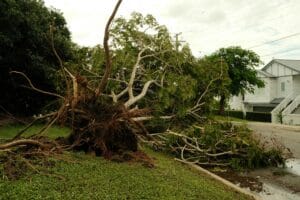
– Roof damage from high winds and fallen trees
– Flooding and water intrusion from heavy rains and storms
– Frozen or burst pipes during cold snaps
– Power surges and electrical failures from lightning strikes
Without timely intervention, these damages can escalate, leading to costly repairs, compromised safety, and issues like mold growth or structural instability.
The Benefits of 24/7 Emergency Home Repair Services
Having access to 24/7 emergency home repair services means you can quickly respond to sudden damage at any hour, minimizing harm and stress. This immediacy is crucial because:
– Mitigation of Damage: The faster repairs begin, the less structural or cosmetic damage accumulates.
– Safety Assurance: Electrical or gas leaks can pose immediate hazards, emergency services ensure these are addressed promptly.
– Insurance Compliance: Many insurance policies require immediate action to prevent damage worsening; quick repairs support claims.
– Peace of Mind: Knowing help is available anytime reduces homeowner anxiety during storms or after-hours emergencies.
A Real Maryland Success Story: Saving a Home During a Storm
Consider the case of the Johnson family from Baltimore. During a fierce thunderstorm, a sudden blackout was followed by a leak in their roof caused by a falling branch. The local 24/7 emergency home repair service responded within an hour, covered the damaged roof section with a waterproof tarp, and repaired the burst pipe caused by the leak. Their swift action prevented extensive water damage that could have cost thousands in repairs and kept the family safe.

Tips for Effective Emergency Home Repair: 24/7 Services in Maryland for Weather-Related Damage
Act Quickly: Immediately assess the damage after a storm and secure the area to prevent further harm or injury.
Contact 24/7 Professionals: Call emergency home repair services in Maryland right away to get prompt assistance, especially during severe weather events.
Prioritize Safety: Before any repair, ensure electricity and gas are turned off if there’s water damage or structural instability.
Document the Damage: Take clear photos and videos for insurance claims and repair planning without delaying emergency services.
Temporary Fixes Are Vital: Use tarps, plywood, or plastic sheeting to cover damaged roofs or broken windows to minimize exposure.
Stay Informed: Keep updated on weather alerts to anticipate potential additional damages and stay prepared.
Know Your Emergency Numbers: Have a list of trusted local 24/7 repair and utility services saved in your phone for quick access.
Review Insurance Policy Details: Understand what weather-related damages are covered to avoid surprises during claims.
Prevent Future Damage: After repairs, consider weather-resistant upgrades to protect your home against Maryland’s unpredictable climate.
By following these practical tips, you’ll ensure swift and safe handling of emergency home repairs caused by weather-related damage in Maryland.
Key Concepts
When exploring emergency home repair, especially within the urgency-laden context of 24/7 emergency home repair services in Maryland for weather-related damage, it’s essential to dive into the theatrical roles that time, expertise, and environment play in the drama of safeguarding a home. Imagine your house as a living fortress, constantly exposed to the unpredictable moods of nature, from the roaring winds of a storm to the biting chill of an icy night. Emergency home repair is the heroic intervention that keeps this fortress standing firm when nature launches its most aggressive assaults.
The Nature of Emergency Home Repair
Emergency home repair is fundamentally about immediacy and adaptability. Unlike routine maintenance, which occurs on a known schedule, emergency repair arrives unannounced. It’s the unexpected burst of action that follows a sudden roof leak during a torrential downpour or the urgent patching of broken windows after a violent Maryland thunderstorm. This form of repair is like an adrenaline rush for the home, a swift response designed to prevent a small crack from seeping into a flood, or a loose shingle from becoming debris in a gale.
Weather-Related Damage: The Unpredictable Antagonist
Maryland’s weather is a nuanced adversary, rarely a gentle breeze, often a tempestuous force. Seasonal storms bring with them power surges, ice accumulation, fallen trees, and flooding, all of which target a home’s vulnerabilities. The relationship between weather damage and emergency repairs is a dance with unpredictability. Each natural event imposes new challenges, requiring repairs that are as varied as the damage itself.
Consider the metaphor of the home as a ship navigating a turbulent sea. Weather damage is akin to the sudden onslaught of waves that threaten to breach the hull. Emergency repair teams are the skilled sailors who plug the leaks and patch the sails without hesitation, ensuring the vessel remains afloat until calmer waters arrive.
Components Often Impacted Requiring Emergency Repairs
Certain parts of a home are notoriously susceptible to weather-related damage and frequently become the focus of emergency repairs:
– Roofing Systems: Damaged shingles or punctured membranes can lead to water infiltration during heavy rain or snow.
– Windows and Doors: Breakage or warping from hail, debris, or wind pressure compromises insulation and security.
– Siding and Exterior Walls: Cracks and detachment expose structural elements to moisture, accelerating decay.
– Electrical Systems: Weather can induce power surges or water exposure, creating hazards that require immediate attention.
– Basements and Foundations: Flooding risks demand rapid water removal and sealing to prevent long-term structural damage.
Each area functions like a vital organ in the body of the home, whose impairment demands prompt therapeutic intervention to restore overall health.
The Role of 24/7 Availability in Emergency Home Repair
Time is an unforgiving adversary in emergency repair scenarios. Delays, even of a few hours, can intensify damage exponentially, much like a small fire ballooning into an uncontrollable blaze. This is where the 24/7 nature of emergency services becomes paramount. Offering round-the-clock responsiveness ensures that the defense against ongoing damage is immediate and effective, akin to having paramedics on call ready to stabilize a patient in crisis at any hour.
For homeowners in Maryland, with its capricious climate, this constant vigilance translates to peace of mind, knowing help is never too far away no matter when disaster strikes. The service’s immediacy is a metaphorical lifeline thrown into stormy seas, drawing the homeowner and their property back from the brink.
The Psychological Dimension of Emergency Repairs
Beyond the physical work performed, emergency home repair confronts an emotional tempest. In vulnerable moments, when a family’s safe haven is threatened, the swift arrival of repair assistance becomes a beacon of hope and stability. The unpredictable damage caused by weather can induce stress, fear, and uncertainty, making the presence of a knowledgeable repair service not just practical, but profoundly comforting.
The repair professional morphs from a technician into a guardian figure, a reassurance that the household’s integrity will be restored and normalcy reclaimed.
Interconnection of Expertise and Environmental Factors
One cannot talk about emergency home repair divorced from the expertise required to navigate the complex interplay of building science and Maryland’s diverse weather patterns. Effective emergency repair hinges on a deep understanding of how specific materials respond to moisture, wind, and temperature fluctuations.
For instance, knowing that certain roofing materials become brittle in the cold yet expand rapidly under heat influences the choice and method of repair. This precision is much like a doctor prescribing a treatment tailored to the patient’s unique physiology rather than a one-size-fits-all remedy.
Emergency repair expertise also encompasses foresight, anticipating secondary damages, such as mold growth from unchecked leaks or electrical shorts from moisture ingress. This holistic perspective saves the home from cascading failures that can spiral into costly, prolonged restoration endeavors.
The Balance Between Temporary and Permanent Solutions
An important conceptual nuance in emergency home repair lies in distinguishing temporary stabilization from permanent restoration. The initial intervention is often a tactical pause, a triage, patching a roof hole to stop immediate water entry or boarding up windows to prevent exposure.
These temporary fixes are emergency responders’ battlefield bandages, critical in curbing damage escalation. However, they are by design incomplete. Permanent solutions require comprehensive analysis and planned construction, ensuring that repairs withstand future weather events and return the home to full strength.
This dichotomy reflects a two-act process: the first, reactive and urgent; the second, strategic and thorough.
The Economic and Social Implications of Emergency Home Repair
Emerging from the technical realm, emergency home repair carries with it broader economic and social ripple effects. At the individual level, rapid intervention minimizes the erosion of property value and prevents cascading repair costs that can financially overwhelm homeowners.
On a community scale, widespread weather damage challenges municipal resources and infrastructure, making efficient emergency repair services a linchpin in resilience and recovery. The interaction between private repair efforts and public support systems creates a delicate ecosystem that sustains neighborhoods through Maryland’s harsh weather cycles.
Conclusion: Emergency Home Repair as a Conduit of Resilience
In sum, emergency home repair, particularly within the urgent, weather-driven environment of Maryland, is less a mere service than a narrative of resilience, a testament to human ingenuity confronting nature’s unpredictability. It interweaves technical know-how, quick action, emotional support, and strategic planning into a seamless fabric that protects the heart of the home.
By understanding the multifaceted nature of emergency home repair, homeowners and communities alike appreciate it as a vital lifeline, one that safeguards the spaces where life unfolds, storms or no storms.
Frequently Asked Questions about Emergency Home Repair
❓ What qualifies as an emergency home repair related to weather damage?
An emergency home repair typically involves issues that threaten the safety, security, or structural integrity of your property, such as roof leaks from storms, burst pipes due to freezing conditions, electrical failures caused by lightning, or flooding after heavy rain. Immediate attention helps prevent further damage and costly repairs.
❓ Are emergency home repair services available 24/7 in Maryland?
Yes, many professional home repair companies in Maryland offer 24/7 emergency services specifically for weather-related damage. This ensures homeowners can get prompt assistance regardless of the time of day or night, minimizing damage and restoring safety as quickly as possible.
❓ How quickly can a repair team respond after I call for an emergency?
Response times vary by company and location, but reliable emergency home repair services in Maryland strive to arrive within a few hours of your call. Fast response helps to contain damage, especially after severe weather events when many homes may be affected.
❓ Can emergency home repairs prevent insurance claim denials?
Yes, timely emergency repairs can demonstrate responsible property maintenance and mitigate further damage, which insurance companies often require for a successful claim. Documenting repairs and acting quickly increases the likelihood that your weather-related damage claim will be approved.
❓ What steps should I take before the emergency repair team arrives?
Prioritize safety first , evacuate if necessary, and avoid hazardous areas like rooms with fallen electrical wires or flooding. If possible, try to contain damage by shutting off water or power sources, covering exposed areas with tarps, and documenting the damage with photos. These actions help the repair team work efficiently once they arrive.