

Deck building in Maryland requires special consideration due to the state’s challenging climate, where moisture, temperature fluctuations, and seasonal freeze-thaw cycles can quickly damage poorly built decks. Many homeowners experience warping, cracking, or damp surfaces because standard construction methods fail to address these conditions.
This guide explores how Maryland’s weather impacts deck performance and why climate-specific deck building approaches are essential. It highlights moisture-resistant materials, advanced sealing methods, and structural techniques designed to withstand heavy rainfall, humidity, and shifting temperatures. Understanding these factors helps homeowners avoid costly repairs and extend the life of their outdoor spaces.
By learning how expert Maryland deck builders adapt materials and designs to local conditions, homeowners can confidently plan durable, safe, and attractive decks. Whether hiring professionals or managing parts of the project themselves, informed decisions ensure a long-lasting deck that remains beautiful and functional through every season.
Key Takeaways
Maryland deck construction must account for moisture, humidity, and temperature swings.
Standard deck building methods often fail under Maryland’s freeze-thaw cycles.
Moisture-resistant materials and proper drainage are essential for durability.
Climate-specific design reduces warping, rot, and long-term repair costs.
Expert Maryland deck builders adapt materials and techniques to local conditions.
A well-built deck adds safety, longevity, and lasting home value.
Why Deck Building in Maryland Requires Expertise That Withstands Moisture and Temperature Changes
How to Apply Deck Building Step by Step for Maryland’s Unique Climate
Building a deck in Maryland presents unique challenges due to the state’s fluctuating moisture levels and temperature changes. Whether you’re a homeowner planning a DIY project or a contractor specializing in Maryland deck building services, understanding the step-by-step process tailored for this climate is crucial for long-lasting results. This guide will walk you through the essential stages of deck building, focusing on how to best withstand Maryland’s weather variations.
Step 1: Plan and Design Your Deck with Climate in Mind
Before you lift a single plank, start with thorough planning:
– Assess the Site Conditions: Maryland’s humidity and rain patterns mean you should evaluate soil drainage, nearby trees, and sun exposure.
– Select Weather-Resistant Materials: Opt for pressure-treated lumber, composite decking, or naturally durable woods like cedar and redwood, known for resisting moisture.
– Design for Expansion and Contraction: Wood expands in humidity and contracts when dry. Plan gaps between boards to accommodate this movement without warping.
– Obtain Permits: Check local Maryland regulations for permits or codes related to deck building to avoid costly delays.
_Image suggestion: A design sketch of a deck highlighting moisture considerations like drainage and sun exposure._
Step 2: Prepare the Ground and Foundation
The foundation ensures your deck remains stable through temperature swings and wet conditions:
– Mark the Deck Layout: Use stakes and string lines to outline the deck’s perimeter precisely.
– Excavate and Level the Soil: Remove vegetation and level the soil to prevent uneven settling.
– Install Footings: Dig footings below the frost line (usually 36 inches in Maryland) to prevent heaving caused by freeze-thaw cycles.
– Use Concrete and Waterproofing: Pour concrete footings and consider applying waterproofing agents or gravel around the base to improve drainage.
_Image suggestion: Photo showing footing installation with concrete poured into excavated holes._
Step 3: Construct the Frame with Durability in Mind
The frame is the backbone, so focus on stability and weather resistance:
– Use Pressure-Treated Lumber: This lumber is chemically treated to resist pests and moisture.
– Ensure Proper Joist Spacing: Space joists according to decking material specifications, usually 16 inches on center, to support weight and prevent sagging.
– Incorporate Flashing: Install metal flashing where the deck attaches to your house to prevent water infiltration.
– Secure with Galvanized Hardware: Use galvanized or stainless steel nails, screws, and connectors to avoid rust and corrosion.
_Image suggestion: Close-up of galvanized joist hangers attaching joists to ledger board._
Step 4: Install Decking Boards Correctly
Proper decking installation lets the wood breathe and prevents damage:
– Use the Right Fasteners: Hidden fasteners can provide a cleaner look and reduce exposed metal corrosion.
– Leave Expansion Gaps: Space the boards approximately 1/8 inch apart; wider gaps may be needed outdoors in Maryland’s wetter months.
– Alternate Board Seams: Stagger seams to enhance structural integrity.
– Sand and Seal if Needed: Although many composite decks come pre-finished, wooden decks benefit from sanding and sealing to waterproof and extend lifespan.
_Image suggestion: Diagram showing correct gap spacing between decking boards._
Step 5: Apply Finishing Touches to Protect Against Moisture and Temperature Fluctuations
The right finishes shield your deck from Maryland’s weather extremes:
– Choose High-Quality Sealants: Use breathable, water-repellent sealers that allow moisture to escape yet keep water out.
– Regular Maintenance: Plan annual inspections and reapply sealants every 2-3 years, especially after harsh winters or wet summers.
– Add Functional Accessories: Consider adding gutter systems or awnings to reduce water exposure.
– Install Proper Drainage Systems: Ensure water flows away from the deck and foundation to prevent pooling and rot.
_Image suggestion: Before-and-after photos of a sealed vs. unsealed wooden deck surface._
Bonus Tips for Maryland Deck Building Success
– Mind the Freeze-Thaw Cycle: Materials that tolerate freezing temperatures help maintain deck integrity during Maryland’s winter.
– Ventilate Underneath: Proper airflow beneath the deck reduces moisture buildup and wood rot.
– Consult Local Experts: Maryland deck building services often have valuable insights on regional best practices.
In Summary
Mastering deck building specifically for Maryland involves thoughtful choices at every stage. From thoughtful planning and robust foundations to material selection and finishing techniques, each step helps your deck withstand moisture and temperature changes uniquely characteristic of this region. Employing these step-by-step practices ensures a beautiful, durable deck that brings years of enjoyment, no matter the weather Maryland throws your way.
Tips for Effective Deck Building in Maryland: Built to Withstand Moisture and Temperature Changes
Choose Moisture-Resistant Materials: Opt for composite decking or pressure-treated wood specifically rated for Maryland’s humid climate to prevent warping and rot.
Prioritize Proper Ventilation: Ensure your deck design allows airflow underneath to reduce moisture buildup and prevent mold growth.
Use Quality Fasteners: Stainless steel or coated screws resist rust and corrosion, vital in Maryland’s humid and changing temperature environment.
Apply Protective Sealants: Regularly seal wood decks with weather-resistant stains or sealers tailored for moisture resistance to extend lifespan.
Design with Expansion in Mind: Use spacing between deck boards that accommodates wood expansion and contraction due to temperature swings.
Incorporate Adequate Drainage: Build your deck with a slight slope or drainage gaps to prevent water pooling that accelerates material deterioration.
Schedule Routine Maintenance: Inspect and clean your deck seasonally, focusing on removing debris and checking for signs of moisture damage.
Consult Local Deck Building Experts: Work with Maryland-specific contractors familiar with regional climate challenges to ensure your deck withstands moisture and temperature variations.
By following these deck building tips, you can create a durable Maryland outdoor space ready to brave humidity and temperature fluctuations gracefully.
Key Concepts in Deck Building
When delving into the world of deck building, especially in a region like Maryland where moisture and temperature fluctuations are recurring challenges, it’s critical to first unravel the fundamental concepts that underpin successful deck construction. Deck building is more than simply assembling wood or composite boards in a pleasing pattern; it’s an intricate dance of materials science, architectural design, and environmental adaptation. By exploring these concepts, we can appreciate why certain decks withstand the test of time in Maryland’s unique climate.
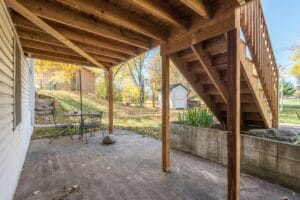
The Art and Science of Deck Building
Imagine deck building as crafting a durable shield for your outdoor living space, designed to fend off relentless moisture and the erosion of time itself. Much like a carefully constructed ship must endure turbulent seas, a well-built deck navigates the highs and lows of Maryland’s weather, humid summers, frost-laden winters, and the relentless swing between heat and chill.
At its core, deck building is an exercise in balance. Materials must marry durability with aesthetic appeal, while also accommodating the physical stresses introduced by seasonal changes. Understanding the interplay between these elements is essential for building decks that don’t just look good but endure.
Moisture Management: The Invisible Adversary
Moisture is an invisible protagonist in the story of deck degradation. Maryland’s proximity to the Chesapeake Bay and its humid summers make moisture intrusion a persistent threat. When wood absorbs water, it swells; when it dries, it contracts. This constant expansion and contraction can lead to warping, cracking, and ultimately structural failure.
Think of the deck like a living organism’s skin, sensitive to environmental conditions and in need of protection. Proper deck building involves selecting materials and construction methods that mitigate moisture damage. This isn’t just about choosing water-resistant woods or composites; it’s also about designing the deck’s drainage and ventilation systems to ensure water doesn’t linger, allowing the framework to breathe.
Temperature Fluctuations: Stress and Resilience
Temperature changes add another layer of complexity. Maryland experiences a broad temperature range throughout the year; harsh winters can freeze trapped water, causing expansion that pries apart wood grains or fasteners. Conversely, intense summer heat can dry out materials, making them brittle.
Deck building in this context becomes an exercise in engineering flexibility, materials and fasteners must be able to tolerate these cycles without compromising structural integrity. This is akin to a bridge engineered to flex slightly with winds and weight, rather than resist rigidly and risk cracking.
Material Selection: The Foundation of Longevity
Choosing the right material is like selecting the protagonist for a novel, each material tells a unique story of strength, vulnerability, and endurance. Traditional hardwoods, pressure-treated pine, composite decking, and tropical hardwoods each respond differently to Maryland’s environmental stresses.
– Pressure-Treated Wood: Often the go-to choice for affordability and resistance to decay and insects, its chemical treatment provides a protective shield. However, the lingering moisture from pressure treatment can sometimes cause warping if not properly dried.
– Composite Materials: These synthetic compounds blend wood fibers with plastic, producing a deck surface impervious to rot and insect damage. Their uniformity provides consistent behavior under temperature shifts, akin to a well-scripted actor who performs reliably under pressure.
– Hardwoods (e.g., Ipe, Mahogany): Dense and naturally resistant to decay, hardwoods offer exceptional longevity. Yet, like any seasoned veteran, they require respect in installation to accommodate expansion and contraction due to their density.
Each material invokes a trade-off among cost, maintenance, durability, and appearance, a delicate balancing act fundamental to Maryland deck building choices.
Structural Design: Framework Against Nature
Beyond surface materials, the unseen skeleton of the deck bears the brunt of environmental forces. Posts, joists, and beams must work in harmony to distribute loads and resist stresses. In Maryland, incorporating adequate spacing for airflow beneath the deck mitigates wood rot, much like how ventilation stubbornly keeps a chef’s kitchen free of steam damage.
Furthermore, anchoring methods and fasteners are crucial. Corrosion-resistant hardware prevents rusting, ensuring the deck’s bones remain strong over years of weather exposure. The structural design also accommodates potential soil movement driven by freeze-thaw cycles, preventing unsightly and dangerous settling.
Maintenance Philosophy Embedded in Design
Though maintenance is technically beyond pure deck building, it remains conceptually linked because a well-built deck can be designed to ease essential upkeep. The metaphorical lifespan of a deck hinges not only on initial assembly but how it harmonizes with human care.
Spaces designed to shed water quickly, boards spaced for airflow, and finishes that resist UV rays represent a preemptive dialogue with the future, anticipating how nature will challenge the structure and preparing it to endure without constant intervention.
—
In essence, deck building within the Maryland context is more than construction; it is a narrative of resilience and adaptability. Each choice, from materials to assembly, is a strategic move in the perennial chess match against moisture and temperature extremes. Understanding these concepts unlocks the true appreciation of why some decks flourish, becoming a cherished backdrop for countless memories, while others falter under the seasons’ relentless review.
Frequently Asked Questions
❓ What makes Maryland deck building services unique for moisture and temperature changes?
Maryland’s climate features high humidity and wide temperature swings, so professional deck builders use specially treated materials and advanced construction techniques to ensure decks resist moisture damage and thermal expansion, prolonging their lifespan.
❓ Which materials are best suited for deck building in Maryland’s climate?
Materials like pressure-treated wood, composite decking, and tropical hardwoods are favored because they resist moisture absorption, warping, and cracking. Many Maryland deck builders recommend composites with UV inhibitors and water-repellent finishes.
❓ How can I maintain my Maryland deck to withstand harsh weather conditions?
Regular cleaning, sealing, and inspections are crucial. Applying weatherproof sealants annually helps prevent moisture infiltration, while checking for loose boards or rusted fasteners maintains structural integrity despite temperature changes.
❓ Does deck building in Maryland require special permits or codes?
Yes, Maryland has building codes designed to ensure decks are safe and durable, especially given the local climate challenges. Hiring a professional deck builder familiar with Maryland regulations guarantees compliance with permits and inspection processes.
❓ How long does a professionally built deck typically last in Maryland?
With quality materials and proper maintenance, decks in Maryland can last 15 to 25 years or more. Builders focused on moisture and temperature resilience strategically design decks to maximize longevity in the local environment.