


Maryland’s climate, marked by high humidity, frequent rain, and strong seasonal changes, can quickly damage poorly built decks. Many homeowners experience warping, weathering, and deterioration after just one harsh season. Building a durable deck in these conditions requires more than good design, it demands climate-specific planning and materials.
This guide explores how humidity and rain affect decking and what you can do to prevent damage. You’ll learn which moisture-resistant materials perform best, how proper drainage and ventilation extend lifespan, and why sealing and maintenance are essential. Deck building in this environment is about balancing beauty with resilience. By choosing the right techniques and materials, you can create an outdoor space that remains strong, attractive, and functional year-round, despite challenging weather conditions.
Key Takeaways
Climate matters: High humidity, frequent rain, and seasonal shifts can quickly damage poorly built decks.
Material choice is critical: Composite decking and pressure-treated lumber perform better in moisture-prone climates.
Proper drainage extends lifespan: Correct board spacing, slope design, and ventilation prevent water buildup and rot.
Sealing protects structure: Regular staining and sealing guard against mold, mildew, and warping.
Maintenance prevents costly repairs: Seasonal inspections catch small issues before they escalate.
Resilience + design: A durable deck balances aesthetic appeal with weather resistance.
Why Deck Building in Maryland Requires Specialized Design for Humidity, Rain, and Seasonal Weather

Tips for Successful Deck Building in Maryland Designed for Humidity, Rain, and Seasonal Weather:
Choose Weather-Resistant Materials: Opt for composite decking or pressure-treated wood designed to withstand Maryland’s humidity and frequent rain, preventing warping and rot.
Incorporate Proper Drainage: Ensure your deck has adequate drainage systems, like spacing between boards and sloped surfaces, to avoid water pooling and wood deterioration.
Seal and Stain Regularly: Apply high-quality sealants or stains annually to protect your deck from moisture damage and maintain its appearance against seasonal changes.
Elevate the Deck Structure: Build the deck slightly elevated off the ground to improve air circulation underneath, reducing moisture buildup and mold growth.
Use Rust-Resistant Fasteners: Choose stainless steel or coated screws and nails to resist corrosion caused by Maryland’s humid and rainy conditions.
Plan for Snow and Ice: Design your deck surface with slip-resistant materials and ensure it can bear the weight of winter snow to prevent accidents and structural strain.
Incorporate Shade Solutions: Build pergolas or install retractable awnings to protect from sun damage during hot summers and to help manage moisture levels.
Schedule Seasonal Maintenance Checks: Inspect for loose boards, mildew, or insect damage after each season to address issues promptly and extend deck longevity.
💡 Extra Tip: Consider installing gutters or a roof extension over your deck to further shield it from excessive rain and seasonal weather extremes common in Maryland.
Key Concepts
When we talk about deck building, especially in a place like Maryland, we’re diving into an art that transcends mere construction, it becomes a delicate dance with nature’s temperament. Maryland’s climate bursts with personality: humid summers, frequent rains, and shifting seasons all challenge the very essence of durability and design. Understanding deck building here means appreciating how these climatic nuances shape every choice and consideration.
The Climate as a Living Partner
Imagine your deck not as a static structure, but as a living entity engaged in a constant dialogue with the environment. Maryland’s humidity can be likened to a persistent, gentle wave that seeps into every crevice, coaxing wood fibers to swell and then shrink. It’s not just moisture; it’s the breath of the Chesapeake Bay and the Atlantic, whispering through every plank. A successful deck resists this conversation’s corrosive notes with materials and construction methods that can “listen” and respond, rather than break or decay.
Material Resilience: More Than Just Wood
Wood often tells a story, a grain pattern steeped in nature’s history, but in Maryland, that story must include resilience to constant dampness and temperature swings. For instance, traditional softwoods may recall the tales of forests past, yet they lack the armor needed against rot and mold. Using hardwoods or composite materials is akin to equipping that story with waterproof ink: the narrative remains vivid without fading under weather’s relentless script. These materials endure the chapters of spring’s downpours and the harsh winters with equal grace.
The Dance of Expansion and Contraction
Deck building in humid and rainy climates is like choreographing a dance with seasonal moisture changes. Wood expands when wet and contracts as it dries, a rhythm that, if ignored, leads to warping or cracking. This cycle can be visualized as the deck’s breathing, its very heartbeat attuned to Maryland’s climate. Careful planning in spacing, fastening, and selecting flexible yet strong materials allows the deck to perform this dance gracefully over years, maintaining structural integrity and aesthetic charm.
Protecting the Deck’s Soul: Treatment and Maintenance
Every deck, much like a treasured heirloom, benefits from protection that preserves not only its appearance but its very essence. Treatments, whether stains, sealants, or specialized coatings, create a shield against moisture’s infiltration and ultraviolet rays that bleach and weaken fibers. These treatments function much like a raincoat or sunscreen for your deck: invisible guardians that maintain the deck’s vitality through Maryland’s fickle weather patterns. Left untreated, the deck’s soul can fade, becoming brittle and vulnerable.
Architectural Response to Environmental Challenges
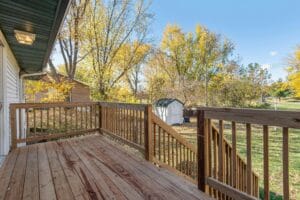
The architecture of a deck, beyond its materials, embodies a strategic answer to Maryland’s climate. Slopes and drainage systems become veins that channel rainwater away, preventing the stagnation that feeds decay. Overhangs or pergolas offer shelter, analogous to an umbrella shielding a delicate bloom from a sudden shower. Even orientation matters: placing the deck to capture sunlight can hasten drying after rain, reducing moisture’s lingering embrace. Thus, design is not just about beauty but survival, each element carefully orchestrated to harmonize with the weather’s whims.
Seasonal Rhythms and Their Influence on Longevity
Maryland’s seasons write distinct chapters in the life of a deck. The carefree blooms of spring give way to the muggy heaviness of summer, followed by the crispness and leaf fall of autumn, culminating in the frost and snow of winter. Each season imposes unique stresses: summer’s moisture encourages mold; autumn’s debris harbors dampness; winter’s freeze-thaw cycles cause subtle fractures. A deck’s design and composition must embrace these rhythms, like a seasoned storyteller weaving challenges into a persistent narrative of endurance.
Fusion of Functionality and Environmental Sensitivity
Ultimately, deck building in Maryland transcends mere utility; it’s an intimate partnership between human aspiration and environmental dynamics. Each beam and board not only supports footsteps but also testifies to a deeper understanding, a craftsmanship born from observing, respecting, and working with nature’s ebb and flow. The deck becomes more than a platform; it is a seamless extension of the landscape, engineered with a profound sensitivity to humidity, rain, and the revolving seasons that define this distinctive region.
In essence, deck building in Maryland is a thoughtful orchestration of materials, techniques, and design philosophies, all attuned to the environment’s unique choreography. It reminds us that building is not just about erecting structures but about creating enduring stories written in wood and composite, stories that stand resilient against the heartbeat of nature’s changing moods.
Frequently Asked Questions
❓ What materials are best for deck building in Maryland’s humid and rainy climate?
For Maryland’s humid and rainy conditions, composite decking materials or pressure-treated lumber are excellent choices. Composite decks resist moisture, rot, and insect damage better than traditional wood, while pressure-treated wood is chemically treated to withstand humidity and rain.
❓ How can I protect my deck from Maryland’s seasonal weather changes?
To protect your deck from seasonal shifts, apply a high-quality sealant or stain annually. This will help prevent water infiltration, warping, and fading caused by humidity, rain, and intense sunlight during summer and winter weather extremes.
❓ Is maintenance different for decks in Maryland compared to drier states?
Yes, decks in Maryland require more frequent maintenance due to high humidity and rainfall. Regular cleaning to prevent mold and mildew, inspecting for water damage, and timely resealing are crucial to prolong the deck’s durability in this climate.
❓ Can I build a deck that stays safe and sturdy during Maryland’s winter snow and ice?
Absolutely. Using durable, weather-resistant materials and designing the deck with proper drainage and spacing allows snow and ice to melt and drain away, preventing structural damage and slippery surfaces.
❓ How long does a well-built deck last in Maryland’s environment?
A deck built with appropriate materials and proper maintenance can last between 15 to 30 years in Maryland. Composite decks generally last longer, while wood decks’ lifespan depends heavily on regular upkeep against moisture and weather exposure.