


Building a new fence can seem simple, but small installation mistakes can quickly turn into expensive problems. Many homeowners only notice the consequences later, when fence posts begin to lean, water starts pooling at the base, or disputes arise over where the fence was actually placed. These issues often come from three common errors: poor post installation, ignored drainage, and incorrect property line placement.
This guide explains why these details matter so much. Fence posts are the foundation of the entire structure, so if they are not set at the right depth, aligned properly, or supported correctly, the fence may become unstable and wear out faster. Drainage is equally important, since water collecting around posts can cause rot, rust, and long-term structural weakness. Property boundaries must also be verified carefully, because placing a fence in the wrong spot can lead to neighbor conflicts, legal trouble, and costly rework.
By understanding these common fencing mistakes, homeowners can avoid frustration, protect their investment, and build a fence that is strong, attractive, and correctly positioned. Whether the project is DIY or handled by professionals, proper planning and attention to detail are essential for long-term success.
Key Takeaways
- Fencing Mistakes often begin with poor planning, not just poor construction.
- Fence posts are the structural foundation of the entire fence and must be set at the correct depth and alignment.
- Poor post installation can cause fences to lean, sag, weaken, or fail prematurely.
- Drainage is essential because standing water around posts can lead to rot, rust, and long-term structural damage.
- Grading the land and planning water flow can significantly extend the life of a fence.
- Property lines must be verified before installation to avoid neighbor disputes, legal issues, and expensive fence relocation.
- A professional survey is one of the best ways to prevent costly placement errors.
- Local codes, HOA rules, and permits should be checked before digging or building.
- Material choice matters, because wood, metal, and vinyl perform differently depending on soil, moisture, and climate.
- Proper planning, installation, and maintenance help create a fence that is durable, attractive, and legally placed.
Why Understanding Fencing Installation Is Crucial to Avoid Costly Mistakes
Fencing installation is more complex than many homeowners expect. A fence is not just a boundary line; it is an investment that affects security, privacy, curb appeal, and property value. While it may seem like a simple project, building a fence correctly requires planning, technical knowledge, and attention to detail. Mistakes during installation can lead to expensive repairs, early failure, and even legal conflicts.
A successful fencing project depends on several parts working together properly, including posts, panels, gates, and drainage. Among these, fence posts are especially important because they support the entire structure and resist pressure from wind, soil, and daily use. If posts are not installed at the right depth, aligned correctly, or secured properly, the fence may lean, sag, or wear out far sooner than it should.
Drainage is another essential factor. When water collects around fence posts, it can cause wood to rot, metal to rust, and the overall structure to weaken. Good drainage helps protect the fence and extend its useful life, yet it is often ignored during installation. Property lines also require careful attention. A fence built in the wrong location can trigger disputes with neighbors, legal issues, fines, or the costly need to remove and rebuild the structure.
The story of Sarah and James illustrates how quickly these mistakes can add up. By misjudging their property line and failing to account for drainage, they ended up facing neighbor complaints, storm damage, and repair costs far beyond their original budget. Their experience shows that fencing should never be treated as a rushed DIY task without proper preparation.
In the end, understanding fencing installation means recognizing that details matter. Correct post placement, drainage planning, and accurate property boundaries are essential for building a fence that is durable, legal, and cost-effective. With careful planning, a fence can protect your property, improve appearance, and provide lasting peace of mind.
How to Avoid Fencing Installation Mistakes Step by Step
Installing a fence is more than just setting posts and attaching panels. To steer clear of costly fencing installation mistakes, especially those related to posts, drainage, and property lines, you need a clear, methodical plan. Here’s a step-by-step guide to help you install your fence correctly and avoid these common pitfalls.
Step 1: Verify Your Property Lines Before You Dig
One of the most critical but often overlooked fencing installation mistakes involves misunderstanding your property boundaries. Installing a fence even a few inches over the line can lead to neighbor disputes or legal trouble.
– Get an official survey: Obtain a copy of your land survey or hire a professional surveyor if you don’t have one.
– Mark your boundaries: Clearly mark the property lines using spray paint or stakes.
– Communicate with neighbors: Discuss your fence plans with adjacent property owners to avoid surprises.
Example: Imagine installing fence posts only to find out afterward that half of your fence is technically on your neighbor’s yard. Re-doing the entire fence can double your cost and delay your project.
Step 2: Plan for Proper Drainage to Protect Your Fence
Ignoring drainage around your fence line can lead to premature wood rot, rust, and shifting posts, a silent enemy of a sturdy fence installation.
– Assess the terrain: Walk along your fence line and notice any water pooling areas.
– Grade the land: Make sure the ground slopes away from the fence to direct water flow.
– Install drainage systems if needed: French drains or gravel beds can help water flow away efficiently.
Pro tip: Avoid putting fence posts directly in low-lying spots where water accumulates. If unavoidable, consider concrete-form footings with drainage holes.
Step 3: Choose the Right Post Depth and Spacing
Posts form the backbone of your fence. Setting them too shallow or spacing them incorrectly weakens the entire structure.
– Dig deep post holes: A general rule is to bury at least 1/3 of your post’s length underground (usually about 2-3 feet deep).
– Maintain consistent spacing: Most fences require 6-8 feet spacing between posts, depending on panel size and material.
– Use concrete for stability: Pour concrete around posts for added strength, especially in soft or sandy soil.
Example: If posts aren’t deep enough, strong winds or heavy weight can cause your fence to lean or topple over.
Step 4: Select Materials Appropriate to Your Climate and Needs
Choosing the wrong fence materials can indirectly lead to installation failures and additional costs down the line.
– Consider wood treatment: Pressure-treated wood resists rot and insects better.
– Choose rust-resistant metals: Galvanized steel or aluminum fencing require less maintenance in humid or rainy areas.
– Match materials to drainage plans: For example, vinyl fences near watery ground need secure anchoring to prevent warping.
Step 5: Follow Local Codes and Acquire Necessary Permits
Ensure your fence complies with local regulations to avoid fines, mandated removal, or modifications.
– Check height limits and allowable materials: Municipalities often have strict fencing rules.
– Apply for permits beforehand: This avoids project delays or even legal trouble.
– Confirm easements and utility lines: Call utility companies to mark underground cables before digging.
Step 6: Install Fence Panels or Boards Correctly
Once posts are set, attaching panels or boards also requires care.
– Allow for expansion: Wood and vinyl expand and contract with weather, so leave small gaps between boards.
– Use proper fasteners: Rust-resistant screws or nails help maintain fence integrity.
– Ensure level installation: Use a level during installation to avoid a crooked fence line.
Step 7: Inspect and Maintain Your Fence Regularly
Your fence’s lifespan depends on consistent upkeep, preventing small problems from becoming large expenses.
– Check post stability yearly: Ensure posts haven’t shifted or loosened.
– Clear debris and check drainage annually: Stagnant water harms the base.
– Repaint or reseal wood as needed: Protects against weather damage.
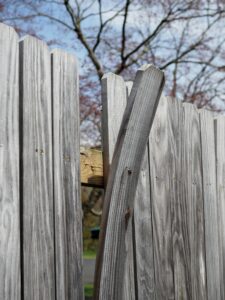
-By following these 7 detailed steps, you can avoid fencing installation mistakes that cost you money and frustration. Planning ahead for property lines, drainage, post depth, and permits lays the groundwork for a fence that stands the test of time. Remember, a well-installed fence doesn’t just mark boundaries, it protects your investment and enhances your property’s value.
Tips for Avoiding Costly Fencing Installation Mistakes: Posts, Drainage, and Property Lines
- Mark Your Property Lines Accurately: Use a professional survey to avoid disputes with neighbors and costly fence removal later. Misplaced fences can lead to legal headaches.
- Choose the Right Posts for Your Soil: Different soils need different post types and setting methods. For example, clay soil requires deeper posts and better drainage solutions to prevent rotting.
- Install Proper Drainage Around Posts: Water pooling weakens posts over time. Ensure gravel or drainage tubes are used to keep posts dry and stable.
- Avoid Using Untreated Wood for Posts: Untreated wood rots quickly when exposed to moisture. Invest in pressure-treated or metal posts to extend your fence’s lifespan.
- Don’t Ignore Fence Line Preparation: Clear rocks, roots, and debris before installation. Uneven ground or obstacles can cause panels to warp and posts to lean.
- Maintain Consistent Post Spacing: Irregular spacing makes your fence weak and unsightly. Keep spacing uniform per fencing style guidelines for stability and appearance.
- Check Local Regulations and HOA Rules: Some areas have strict rules about fence height, style, and placement. Ignoring these can result in fines or forced removal.
- Plan for Gate Placement and Function: Gates must align perfectly with fence panels and provide sufficient clearance. Poor planning leads to operational issues and security risks.
- Use Quality Fasteners and Hardware: Cheap nails or screws rust quickly and weaken fence integrity. Stainless steel or galvanized hardware ensures durability.
- Regularly Inspect and Maintain Posts: Even the best-installed fence needs upkeep. Check for rot, rust, or shifting posts yearly to preserve your investment.
By following these practical tips, you’ll avoid expensive mistakes and enjoy a sturdy, attractive fence that lasts for years!
Key Concepts in Fencing Installation
Fencing, at first glance, appears to be a straightforward endeavor, erecting a physical barrier around a designated area. Yet, beneath this seemingly simple veneer lies a complex interplay of elements that can significantly affect the durability, aesthetics, and legality of the fence. When considering fencing installation mistakes, focusing on posts, drainage, and property lines reveals foundational principles that every homeowner or installer should grasp. These aspects are not merely technical details; they are narratives interwoven into the fence’s lifespan, telling stories of permanence, boundary respect, and environmental harmony.
The Crucial Role of Posts: Anchors of Stability and Longevity
Imagine a fence as a living structure, much like a tree rooted in the soil. The posts serve as the roots, unseen yet vital components that anchor the entire structure. If the roots of a tree are shallow or compromised, the tree wobbles, sagging under even gentle winds. Similarly, improper post installation undermines the fence’s integrity, leading to lean, sway, or collapse.
Posts need to be set deep and stable because they bear the vertical and lateral forces exerted upon a fence, from gusts of wind to physical impacts. Rushing or neglecting this step is akin to building a house on sand; the visible fence may look sturdy at first, but the foundation determines its fate over years to come.
Moreover, the material choice and treatment of posts matter profoundly. Wooden posts, if not properly treated or placed in unsuitable soil without protective barriers, succumb to rot and pest invasion. Metal posts, while more resistant, can corrode if drainage is poor or if conductive contact with soil moisture is unmitigated. The concept here is that posts are not merely support beams; they are the sentinel guardians ensuring the fence withstands environmental assaults.
Drainage: The Invisible Force Shaping Fence Durability
Water’s relationship with fences is paradoxical. Though essential for life, it is also an agent of decay. Drainage mistakes in fencing installation might not be immediately visible but manifest as gradual deterioration or sudden failures. Envision drainage as the rhythm of a dance between earth and rain, when missteps occur, the entire choreography falters.
Poor drainage causes soil to retain excessive moisture around the base of posts, accelerating wood rot and metal corrosion. It can lead to soil swelling and shrinking cycles that shift post positions, warping fence panels havoc. Beyond the materials’ degradation, drainage problems can create soggy areas that elevate maintenance challenges and detract from landscaping aesthetics.
Understanding drainage in fencing is understanding the landscape’s natural water flow, the rivers and streams that exist subtly even in our yards. Ignoring this natural flow is like building a dam against a river; eventually, pressure builds until the structure breaks or the water finds a ruinous path.
Property Lines: Boundaries of Ownership and Respect
The concept of property lines intersects with fencing far beyond mechanical installation; it ventures deep into legalities and neighborly relations. Property lines are invisible threads weaving individual plots into a community fabric, carrying the weight of ownership rights, obligations, and social contracts.
Installing a fence without precise knowledge of property boundaries is akin to building a bridge to nowhere, misplaced and fraught with conflict. It may appear minor to some that a fence nudges slightly onto a neighbor’s land, but this “slight” can bloom into legal disputes, financial penalties, or the emotional toll of strained neighborly bonds.
Property lines require exact measurements, understanding local regulations, and often official surveys. They symbolize respect, respect for the law and for the unseen borders that define our coexistence. In the story of a fence, acknowledging property lines shapes not only walls but the invisible fences of trust and order within communities.
Interwoven Lessons: A Fence as a Living Narrative
Posts, drainage, and property lines together constitute the trilogy of foundational knowledge for fencing installation. Each element is a character in the fence’s life story:
– Posts embody strength and endurance,
– Drainage illustrates adaptation to natural forces,
– Property lines reflect social and legal harmony.
Overlooking any of these aspects is like skipping chapters in a novel that explain why characters act as they do. The fence then becomes a brittle symbol, prone to failure in structure, function, or relationships.
In sum, fencing transcends mere physical setting, it is a dialogue with the earth, water, and community that surrounds it. Recognizing and honoring the roles of posts, drainage, and property lines enriches the concept of fencing, inviting us into a deeper appreciation of how simple boundaries shape complex realities.
Frequently Asked Questions about Fencing Installation Mistakes That Cost You: Posts, Drainage, and Property Lines
❓ What are the most common fencing installation mistakes involving posts?
One of the biggest fencing mistakes with posts is improper setting depth or spacing. Posts that are not installed deep enough or too far apart can lead to a weak fence structure that leans or collapses over time. Using the wrong materials for posts, like untreated wood in moist soil, also causes early deterioration.
❓ How does drainage impact fence longevity?
Poor drainage around your fence can cause posts to rot or rust prematurely. When water pools near fence posts, it accelerates decay and weakens the fence’s foundation. Ensuring proper drainage by grading the soil or installing gravel beds around posts helps maintain a durable fence.
❓ Why is verifying property lines critical before installing a fence?
Misjudging property boundaries is a costly fencing mistake. If your fence encroaches on a neighbor’s land, you may face legal disputes, forced removal, or fines. Hiring a professional surveyor to confirm exact property lines before installation prevents these costly errors.
❓ Can small fencing installation errors lead to significant expenses?
Absolutely. Errors like improperly set posts, poor drainage solutions, or incorrect property lines can lead to fence failure, repairs, or legal fees. Investing time and money upfront to avoid these mistakes ultimately saves you from higher long-term costs.
❓ What are the best practices to avoid fencing installation mistakes?
Start by verifying your property lines professionally. Use treated or durable materials for posts and ensure they’re set at the correct depth. Plan for adequate drainage around the fence base to prevent water damage. Finally, consider hiring experienced installers to minimize costly errors.
By understanding these key fencing installation mistakes that cost you, posts, drainage, and property lines, you can ensure your fence stands the test of time and protects your property without unexpected expenses.