


Choosing the right fencing for a Maryland home is about more than marking property lines. It affects privacy, security, style, maintenance, and long-term value. The article follows Chris, a homeowner in Annapolis, whose old wooden fence began to tilt after years of humid summers and constant upkeep. His search reflects a common question for homeowners: which fencing material best fits their property, lifestyle, and budget?
Maryland’s climate is a key factor. Humidity, coastal moisture, winter weather, and occasional storms can shorten the life of some materials. Wood offers a classic look but needs regular maintenance. Vinyl and composite provide durable, low-maintenance options, while aluminum delivers strength, security, and modern curb appeal.
The best fencing choice depends on purpose. Some homeowners need privacy, others want to protect pets, improve safety, or enhance the appearance of their yard. By comparing materials, maintenance needs, costs, and local regulations, homeowners can choose fencing that lasts and transforms their outdoor space.
Why It’s Essential to Understand Fencing When Choosing the Right Material for Privacy, Security, and Low Maintenance in Maryland
When it comes to improving outdoor living spaces, fencing is often an underrated element that holds tremendous power to influence not only the aesthetics of a property but also its privacy, security, and overall value. In Maryland—a state known for its mix of suburban neighborhoods, coastal beauty, and historic towns—the right fencing choice can mean the difference between ongoing maintenance struggles and years of worry-free enjoyment. But to truly choose the best fencing material, homeowners and business owners alike must first understand what fencing really entails, how it functions in various environments, and why it matters so much in this specific geographical setting.
The Significance of Fencing in Maryland’s Residential and Commercial Spaces
To see why fencing is such a vital consideration, it’s helpful to look at local trends. Data from the Home Improvement Research Institute (HIRI) reveals that the fencing market in the U.S. continues to grow steadily, spurred by both aesthetic preferences and security needs. Maryland, in particular, stands out as a region where property upgrades have been robust, thanks to a combination of suburban development and lifestyle-focused renovations. According to HomeAdvisor, the average cost of fencing installation in Maryland ranges from $2,800 to $4,500, depending on materials and type—a clear indication that homeowners see fencing as a worthwhile investment.
Security concerns and changing lifestyles have also shaped the popularity of certain fencing types. Vinyl and composite materials have gained ground due to their low-maintenance properties, while traditional wood fencing remains enduringly popular for its natural look. Meanwhile, metal and chain-link fences continue to serve businesses and institutions across Maryland due to their durability and cost-effectiveness. The key lies in selecting the fencing material that aligns with one’s priorities—whether that’s maximum privacy in an Ellicott City backyard or corrosion resistance for a property near Ocean City.
Why Understanding Fencing Materials Matters
Each fencing material tells a story—not just about aesthetics but about how it will perform in local conditions. Let’s break down how understanding these materials can empower Maryland residents and business owners to make smarter choices:
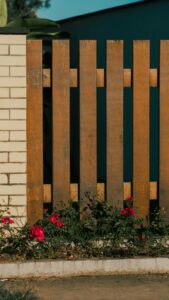
- Wood Fencing – Traditional, warm, and customizable. Perfect for colonial-style homes in historic towns like Annapolis or Easton. However, humidity and constant exposure to rain in the Chesapeake region can cause wood to warp or rot if not properly treated.
- Vinyl Fencing – A favorite choice across suburban communities in Rockville and Towson due to its durability and minimal maintenance. Vinyl fencing resists fading and cracking even under Maryland’s humid summers and frosty winters.
- Metal Fencing – Whether aluminum, steel, or wrought iron, metal fences exude sophistication and strength. Suitable for both residential and commercial properties, they provide excellent security, though cost and potential rust in certain climates must be considered.
- Composite Fencing – A modern innovation that combines wood fibers with recycled plastics, providing the look of wood without the maintenance. Increasingly popular in eco-conscious communities near Greenbelt and Silver Spring.
- Chain-Link and Wire Fencing – Common in industrial areas, farms, and schools throughout Maryland’s rural outskirts. Affordable and functional, these choices prioritize security and visibility over aesthetics.
Understanding these options helps people assess not only costs and appearances but also lifespan, repair needs, and environmental adaptability. This is crucial in a state with constantly changing weather—from humid summers to icy winters and storm-prone coastal zones.
The Interplay Between Privacy, Security, and Maintenance
Fencing decisions in Maryland often depend on balancing privacy, security, and low maintenance. Homeowners in areas like Columbia or Bethesda may prefer tall, solid fences to create secluded outdoor spaces, while businesses near Baltimore may choose metal or chain-link fencing for stronger protection. Climate and busy lifestyles also make low-maintenance materials, such as vinyl or composite, attractive because they resist wear and require less upkeep. The right fence is more than a barrier; it supports comfort, safety, style, and long-term value.
A Closer Look at Fencing and Property Value
Thoughtful fencing can increase a property’s perceived value by improving privacy, security, and curb appeal. In areas like Potomac or Chevy Chase, premium vinyl or composite fencing can signal quality, exclusivity, and strong property care. Because these materials require little maintenance and keep a clean appearance, they can attract buyers and reduce future repair costs. A well-planned fence is not just an expense; it is a long-term investment.
How Local Conditions Shape Fencing Choices
Maryland’s geography strongly affects fencing choices. Coastal areas near Chesapeake Bay or the Atlantic need materials that resist salt and corrosion, such as vinyl or composite. Western Maryland, with heavier snow, requires stronger fencing that handles moisture and weight. Clay-rich soils in many suburbs also demand proper post installation and drainage to prevent shifting during winter freezes. Climate and soil should guide every fencing decision.
Environmental and Sustainability Considerations
Another reason understanding fencing has become increasingly important is sustainability. Homeowners in Maryland and surrounding areas are becoming more environmentally conscious, and this influences their fencing decisions. Sustainable materials, such as recycled vinyl, bamboo, and composite fencing, are gaining attention for their durability and reduced environmental footprint.
According to the National Association of Home Builders (NAHB), more than 65% of home renovation projects in the Mid-Atlantic now incorporate some element of environmental efficiency—whether energy-saving appliances, sustainable landscaping, or eco-friendly fencing materials. By choosing fencing that requires less chemical treatment and longer replacement cycles, Maryland residents are actively supporting environmental preservation efforts while enhancing their property’s functionality.
The Economic Impact of the Fencing Industry in Maryland
On a broader scale, the fencing industry contributes significantly to the local economy. Small businesses, local contractors, and specialized installers across Maryland—from Hagerstown to Waldorf—generate thousands of jobs and millions in annual revenue. This economic ecosystem thrives on a shared understanding between consumers who know what they want and professionals who can guide them toward the best fencing solution for their needs.
Understanding this relationship helps property owners recognize that good fencing isn’t just a personal investment—it supports local businesses and strengthens community aesthetics.
Conclusion: The Right Fencing Makes a Lasting Difference in Maryland
Selecting the right fencing for your Maryland home means balancing beauty, functionality, and durability. From Annapolis’s classic charm to Baltimore’s urban sophistication, every region comes with its character—and your fencing should match it seamlessly. By understanding your goals, considering the local climate, evaluating costs, and choosing the right materials and contractor, you can enjoy privacy, security, and peace of mind for years to come.
In the end, fencing isn’t just about marking boundaries—it’s about defining your living space, protecting what matters most, and enhancing the local Maryland lifestyle, one fence at a time.
Tips to Make the Most of Your Fencing: Privacy, Security, and Low-Maintenance Success
Choosing the right fencing for your property is not just about aesthetics—it’s about finding the perfect balance between privacy, security, and ease of maintenance. Homeowners, property managers, and even businesses need to make smart decisions about fencing materials if they want long-lasting results that align with their goals and budgets. With so many choices available—from classic wood to modern vinyl, from chain-link to sleek metal—understanding how to get the most out of your fencing can save you both time and money in the long run.
In this guide, we’ll dive deep into actionable, SEO-friendly tips designed to help you choose, install, and maintain your fencing like a pro. Each tip is practical, human-focused, and aligned with your privacy and security goals. Let’s explore how to make your fencing not only a boundary but a beautiful, functional extension of your home.
✅ Tips for Getting the Most from Your Fencing
1. Choose the Right Fencing Material for Your Climate
✅ Do this: Start by considering the weather in your area before selecting your fencing material. For example, wood fencing can warp in high humidity, while metal fencing might rust in salty coastal air. Vinyl fencing, on the other hand, thrives in most climates because it resists moisture and fading.
❌ Avoid this: Don’t pick a material based solely on appearance. A stunning fence that deteriorates within a year is a poor investment.
💡 Extra tip: Check local suppliers or contractors for weather-resistant coatings and protective treatments specific to your chosen fencing material.
2. Prioritize Privacy Without Sacrificing Design
✅ Do this: If privacy is a priority, opt for full-panel fencing like wood, composite, or vinyl. These types of fencing block visibility while maintaining a polished look. A tall fence with minimal gaps between panels ensures maximum privacy.
❌ Avoid this: Avoid chain-link or open-slat fencing if you live in a densely populated area—they offer little privacy.
💡 Extra tip: Mix materials! For example, pair natural wood fencing panels with decorative metal inserts for both privacy and style.
3. Balance Security with Aesthetics
✅ Do this: Focus on fencing options that enhance security without looking too industrial. Wrought iron and steel fencing provide strong barriers while adding elegance. Even better, combine these with secure gates and smart locks to complete your perimeter protection.
❌ Avoid this: Don’t rely on decorative or short fencing if security is your main concern. A fence should be at least six feet tall for effective deterrence.
💡 Extra tip: Add motion lights or CCTV near your fencing to discourage unwanted intruders—smart design meets smarter security.
4. Invest in Low-Maintenance Fencing for Long-Term Value
✅ Do this: If you prefer a “set it and forget it” attitude, focus on fencing materials like vinyl, composite, or aluminum. These options resist weathering, fading, and pests.
❌ Avoid this: Skip untreated wood fencing if you’re short on maintenance time; it needs routine staining, sealing, and repairs.
💡 Extra tip: Ask for fencing products with manufacturer warranties—they guarantee durability and add peace of mind.
5. Match Your Fencing with Your Landscape and Home Style
✅ Do this: Successful fencing enhances your home’s curb appeal. Choose a design, height, and color that harmonize with the architecture of your property. A modern home might pair well with sleek horizontal slats, while a cottage calls for white picket fencing.
❌ Avoid this: Avoid mixing clashing colors or materials that conflict with your home’s theme—it can make your property look disjointed.
💡 Extra tip: Use greenery strategically. Climbing vines or shrubs near your fencing can soften hard lines and create a natural blend.
6. Set a Realistic Budget for Long-Term Rewards
✅ Do this: When planning your fencing project, look beyond initial costs. Consider lifetime expenses—maintenance, repairs, and potential replacements. Sometimes, a slightly higher investment in premium fencing pays off due to lower upkeep over time.
❌ Avoid this: Don’t fall for cheap materials that deteriorate quickly. Replacing a low-quality fencing system every few years can cost more in the long run.
💡 Extra tip: Request multiple quotes from contractors and suppliers to compare not just price, but also quality and warranty terms.
7. Don’t Ignore Local Regulations and Property Lines
✅ Do this: Before installing your fencing, check local building codes, zoning laws, and neighborhood rules. Some areas have strict height or design restrictions. Also, confirm your property boundaries to avoid future disputes.
❌ Avoid this: Never start a fencing project without verifying your boundaries—it could lead to costly legal issues or forced removals.
💡 Extra tip: Talk to your neighbors beforehand. Informing them about your fencing project helps preserve good relationships and might even inspire them to upgrade their own fences.
8. Hire Professionals for Installation and Maintenance
✅ Do this: Expert installation ensures your fencing is structurally sound and built to last. Professionals can help you choose materials, measure accurately, and handle tricky terrain.
❌ Avoid this: Avoid cutting costs by going full DIY unless you have experience. A poorly installed fencing system can sag, warp, or tilt within months.
💡 Extra tip: Schedule periodic professional inspections—especially for metal and wood fencing—to spot early signs of wear and damage.
9. Incorporate Sustainability into Your Fencing Choices
✅ Do this: If eco-friendliness is important to you, explore fencing made from recycled materials or sustainably sourced wood. Composite fencing, which blends wood fibers and recycled plastic, offers durability with less environmental impact.
❌ Avoid this: Avoid chemically treated materials that can release toxins over time, especially if you have pets or a vegetable garden nearby.
💡 Extra tip: Look for local fencing suppliers who follow sustainable manufacturing processes—you’ll reduce your carbon footprint while supporting your community.
10. Keep Up with Routine Cleaning and Care
✅ Do this: No matter the material, clean your fencing occasionally to maintain its look and longevity. Use mild soap and water for vinyl fencing, or oil-based sealants for wood to keep it resilient.
❌ Avoid this: Don’t ignore mildew, rust, or loose panels. Neglecting these small issues can lead to major damage later.
💡 Extra tip: Create a seasonal maintenance checklist to inspect your fencing at least twice a year—once after winter, once after summer.
Bringing It All Together
The right fencing enhances your property’s security, privacy, and beauty—all while keeping maintenance minimal. Whether you prefer the warmth of wood, the elegance of metal, or the practicality of vinyl, understanding how to choose and care for your fencing will help you maximize its potential for years to come.
Remember, fencing isn’t just a boundary—it’s a statement. It defines your space, safeguards your loved ones, and adds lasting value to your home. By following these expert tips, you can ensure your fencing stands strong, looks beautiful, and serves its purpose with minimal effort.
Key Concepts
When we talk about fencing, we’re talking about far more than a mere boundary between spaces. In diverse landscapes such as Maryland—with its gentle coastal plains, historic urban centers like Baltimore, and the leafy suburbs stretching toward Virginia and Pennsylvania—fencing becomes both a symbol and a structure. It tells a story about privacy and openness, security and welcome, tradition and innovation. Understanding the conceptual depth behind fencing reveals how it functions not just as a physical separator, but as a cultural and architectural language—one that communicates identity, intention, and belonging.
The Essence of Fencing as a Boundary and Statement
At its core, fencing defines where one world ends and another begins. In a rural field outside Frederick, for instance, a wooden fencing line tracing the horizon might seem simple, yet it carries profound significance. It signals stewardship over the land, a subtle declaration of care and control. In contrast, a sleek aluminum fencing installation around a townhouse in downtown Annapolis performs a similar role but conveys a different aesthetic language—refined modernity rather than rustic folklore.
This duality is inherent to all fencing. It protects and exposes, encloses and decorates, separates and connects. The material—be it vinyl, wrought iron, composite, or cedar—turns into a vocabulary through which property owners express practical and emotional values. Much like choosing the right fabric for a garment affects the story of the wearer, choosing the appropriate fencing material influences the narrative of a space.
Symbolism and the Psychology of Space
From a psychological perspective, fencing manifests our fundamental need for boundaries. Throughout Maryland’s patchwork of residential communities and horse farms, the presence or absence of fencing affects how people feel about their environment. A tall privacy fencing structure might grant a sense of security, while a low ornamental rail can invite engagement with neighbors.
In cities like Bethesda or Columbia, where modern homeowners balance social life with personal retreat, fencing visually and emotionally negotiates that delicate edge. It creates what geographers might call a liminal space—a threshold between public and private spheres. Inside that symbolic border, residents reclaim autonomy; outside, the world flows freely.
In this way, fencing is never neutral. It always communicates, even when its purpose seems purely utilitarian. The choice between transparent metal mesh and solid vinyl panels transforms not only sightlines and shadows, but also the rhythm of daily life around the property.
Material Identity and Cultural Reflection
The character of fencing often mirrors the culture and climate that fostered it. In coastal areas near the Chesapeake Bay, where salty air and moisture test durability, materials like composite or PVC have become popular because they resist corrosion and fading. This regional adaptation reveals how fencing evolves through dialogue with the environment.
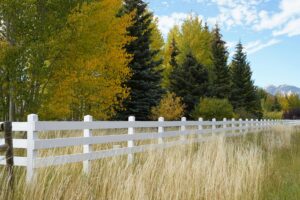
Drive through the countryside of Westminster or the outskirts of Hagerstown, and you might encounter stretches of white fencing framing horse pastures—a Maryland icon of equestrian heritage. Those classic forms stand as documents of tradition, echoing centuries-old aesthetics that blend functionality with local pride.
Across the Potomac River, in suburban Virginia, iron fencing graces colonial-era estates, serving both protective and ornamental functions. Each iteration tells a story of how communities negotiate history, durability, and identity through their choices of enclosure.
Fencing as a Medium of Design Language
Just as an architect uses lines and forms to shape how humans interact with space, fencing operates as an exterior design element that frames experience. Whether integrated into gardens, pools, or perimeters, it defines perspective. Consider the neighborhoods in Silver Spring or Rockville, where contemporary homes rely on minimalist fencing lines—geometric, almost sculptural. Here, fencing becomes an extension of architecture itself, reinforcing the home’s visual narrative.
In contrast, Victorian homes in old sections of Baltimore might employ ornate iron fencing that communicates endurance and elegance, referencing a bygone era of craftsmanship. Each spike, scroll, or rivet enriches the language of the property’s design. The fencing therefore transcends its physical purpose, addressing deeper sensibilities like memory, prestige, and belonging within community aesthetics.
The Interplay of Privacy and Visibility
Every choice related to fencing carries philosophical undertones about how individuals choose to interact with the world. A closed, solid wall-style fencing design can serve as a metaphor for inner reflection and solitude, while a see-through lattice might symbolize transparency and openness.
In Maryland’s varied landscapes—from the coastal retreats of Kent Island to the suburban grid of Laurel—this interplay defines neighborhood character. The act of erecting fencing becomes almost ritualistic, expressing where someone wishes to open their life and where they prefer to retreat.
Even the texture and height of fencing can evoke emotion: smooth vinyl surfaces reflect modern efficiency, while aged wooden planks emit nostalgia, bridging personal memory and collective history. Thus, fencing stands not only as a structure but as a canvas onto which communities project their aspirations for coexistence and individuality.
The Semiotics of Security and Trust
Security in fencing is both practical and symbolic. In Maryland communities, fences show care, respect for boundaries, and awareness of shared space. Different materials shape how safety is perceived: iron fencing suggests strength while keeping openness, while solid vinyl creates privacy and discretion. As urban areas grow, fencing becomes part of a larger conversation about trust, community, personal space, and how much people choose to reveal or protect.
Metaphorical Layers of Enclosure
To grasp fencing conceptually is to perceive it as both structure and metaphor. The act of building a fence mirrors the human instinct to define and protect identity. Just as an author frames a narrative through chapters and margins, property owners use fencing to frame their lived experience.
Imagine the sinuous rivers of Maryland that define county boundaries. Their meandering curves are nature’s own form of fencing—fluid yet firm, gentle yet absolute. Similarly, a well‑designed fencing installation negotiates between constraint and freedom, containment and flow.
When seen this way, fencing becomes a philosophical tool—a commentary on how humans articulate belonging. It is the handshake between land and architecture, between self and society.
Evolution and Sustainability in Modern Fencing
Modern fencing now includes sustainability as part of its meaning. In places like Gaithersburg and Greenbelt, fences are increasingly viewed in relation to vegetation, wildlife, climate, and responsible design. Recycled composites and eco-conscious coatings reflect a shift from simple separation toward preservation. Fencing becomes a flexible environmental narrative, connecting innovation, ethics, aesthetics, and regional needs.
Fencing and the Aesthetics of Permanence
Fencing reflects the passage of time through materials that age, resist, and transform. Wood weathers, metal rusts, and nature gradually reshapes human-made boundaries. In Maryland’s climate, fences become more than structures; they tell stories of endurance, change, and connection to the landscape. Their beauty lies in this balance between permanence and decay, turning each fence into a living record of history, environment, and design.
Conclusion: The Poetry of Boundaries
Fencing is more than a property divider; it shapes how people define space, privacy, and identity. In Maryland and nearby states, fences reflect both history and modern living, balancing protection with openness and solitude with community. Through material, style, and context, fencing becomes a meaningful expression of place, belonging, and personal identity.
Frequently Asked Questions
When it comes to fencing, homeowners often face a tough choice: balancing aesthetics, durability, cost, and ease of maintenance. To help you make a decision that fits your lifestyle, we’ve gathered some of the most common questions people ask when selecting the right fencing material.
❓ What are the best types of **fencing** for privacy?
The best fencing materials for privacy are wood, vinyl, and composite. Wood offers a natural aesthetic and full coverage, while vinyl and composite fencing provide a sleek, durable design that requires minimal maintenance. Both vinyl and composite panels typically have no gaps, ensuring complete seclusion.
❓ Which **fencing** materials provide the best security?
Metal options—such as aluminum, steel, and wrought iron—are among the most secure fencing choices. Their strength and durability make them difficult to breach. For added privacy and security, you can combine metal fencing with solid panels or strategic landscaping.
❓ What type of **fencing** requires the least maintenance?
Vinyl and aluminum fencing are known for their low-maintenance nature. Unlike wood, they do not rot, warp, or require repainting. Occasional cleaning with soap and water keeps them looking new. These materials also retain their color and structure for many years, even in harsh weather conditions.
❓ How long does **fencing** typically last?
The lifespan of fencing depends heavily on the material. Vinyl fencing can last up to 30 years, while aluminum or steel fencing can last even longer with minimal upkeep. Wood fencing, on the other hand, typically lasts about 15–20 years if well-maintained and treated against moisture and pests.
❓ Is wood still a good option for modern **fencing**?
Yes, wood remains a popular fencing choice for its timeless appeal and versatility. It blends easily with different architectural styles and can be painted or stained in virtually any color. However, it does require regular sealing and maintenance to prevent weather damage and decay.
❓ Can I install **fencing** myself, or should I hire a professional?
Many homeowners install their own fencing, especially if using pre-assembled vinyl or wood panels. However, for larger or sloped properties—or when using heavy materials like steel—working with a professional ensures proper alignment, durability, and compliance with local building codes.
❓ How much does **fencing** installation typically cost?
The cost of fencing varies widely depending on material, height, and property size. On average, wood fencing is the most affordable upfront, while vinyl and metal fencing have higher initial costs but lower lifetime maintenance expenses. Getting multiple quotes and comparing material longevity will help determine the best long-term value.
❓ What factors should I consider before choosing **fencing** for my property?
Before investing in fencing, consider your priorities: privacy, security, budget, style, and maintenance level. Think about local climate conditions—humid areas may affect wood durability, while coastal climates may benefit from rust-resistant aluminum fencing. Finally, check local regulations for height limits or design restrictions