


Why Climate-Ready Deck Building Solutions Are Essential for Maryland Homes
How to Apply Deck Building Step by Step for Climate-Ready Maryland Homes
Building a deck that stands strong against Maryland’s unique climate challenges requires careful planning and strategic execution. Climate-ready deck building is not just about aesthetics or functionality, it’s about creating an outdoor space designed to withstand humidity, intense sun, frequent rain, and seasonal changes while preserving safety and durability. Here’s a detailed step-by-step guide to applying deck building best practices tailored specifically for Maryland homes:
Assess Your Site and Climate Considerations
Before picking materials or drawing up plans, understand the environmental conditions specific to your location in Maryland:
– Humidity Levels: Maryland’s coastal areas experience high humidity which can lead to wood rot and mold.
– Temperature Fluctuations: Prepare for hot summers and cold winters, requiring materials that can expand and contract without damage.
– Storm Impact: Chesapeake Bay’s proximity increases risks of heavy rain and flooding.
Evaluate the slope, sun exposure, drainage patterns, and soil conditions of your yard. This site assessment ensures your deck design addresses climate stresses effectively from the ground up.
Choose Climate-Resilient Materials
Deck building in Maryland demands materials designed to resist moisture, UV radiation, and temperature swings:
– Composite Decking: Made of wood fibers and plastic polymers, composite decks resist warping, splintering, and fading.
– Pressure-Treated Lumber: Inexpensive and widely available, but must be properly sealed to prevent moisture damage.
– Natural Hardwoods: Species such as Ipe or Cumaru offer natural resistance to decay and insect damage.
– Rust-Resistant Hardware: Opt for stainless steel or coated fasteners to avoid corrosion caused by humidity.
By selecting durable, climate-adapted materials, you’ll safeguard your investment and reduce future maintenance.
Draft a Climate-Optimized Design Plan
Incorporate design elements that address local weather patterns:
– Elevated Decking: Raise the deck off the ground to promote air circulation and prevent standing water.
– Adequate Drainage: Include slope and gaps between deck boards to facilitate water runoff.
– Shade Structures: Install pergolas or retractable awnings to shield against intense sun and reduce heat absorption.
– Wind Breaks: Use landscaping or privacy screens to lessen wind impact and debris accumulation.
Sketch or use deck-building software tools to visualize your plan. This step will help you foresee climate-specific challenges and optimize your deck layout accordingly.
Obtain Necessary Permits and Regulations Compliance
Maryland has local building codes that emphasize safety and environmental protection:
– Contact your city or county’s building department to understand permit requirements.
– Ensure your design complies with setback regulations, railing heights, and load capacities.
– Consider environmental rules related to shoreline or wetland proximity if applicable.
Obtaining proper permits ensures that your climate-ready deck building project is legally sound and safe for long-term use.
Prepare the Site and Foundation Correctly
The deck’s foundation is crucial in climate resilience:
– Footings and Piers: Dig below frost depth to avoid foundation shifting during freeze-thaw cycles.
– Concrete Mix: Use high-strength, weatherproof concrete designed for outdoor exposure.
– Drainage Solutions: Install gravel beds or drainage pipes beneath the deck to divert water away.
Proper foundation preparation prevents structural failures caused by Maryland’s variable weather conditions.
Assemble the Deck Frame with Precision
During the frame assembly:
– Use corrosion-resistant screws and connectors suited for humid environments.
– Space joists adequately to support decking materials and allow airflow.
– Check for level and square construction to avoid water pooling and uneven wear.
A meticulously built frame is vital for a climate-ready deck that withstands weather stresses while providing stable support.
Install Decking Boards with Spacings for Drainage
Proper installation techniques enhance moisture management:
– Maintain 1/8 to 1/4-inch gaps between boards to allow rainwater to drain swiftly.
– Face fasteners downward or use hidden fasteners to reduce injuries and protect the deck surface.
– Seal cut ends to prevent water intrusion and wood degradation.
This approach minimizes water retention and prolongs the life of your decking materials.
Finish with Weatherproofing and Protective Coatings
Even climate-resilient materials benefit from added protection:
– Apply penetrating sealers or UV inhibitors compatible with your decking type.
– Reapply protective coatings every 1–3 years depending on wear.
– Clean the deck regularly to remove mildew, dirt, and debris.
Weatherproofing reduces damage from sun exposure, moisture, and biological growth.
Maintain Regularly for Longevity
A climate-ready deck building solution includes ongoing care:
– Inspect railing and fasteners annually.
– Power wash gently to eliminate built-up grime.
– Replace damaged sections promptly.
Routine maintenance ensures your deck remains safe, attractive, and durable through Maryland’s shifting seasons.
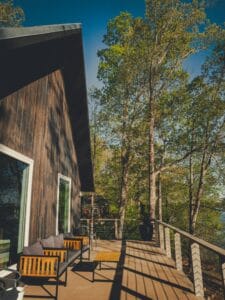
Example: Building a Climate-Ready Composite Deck in Annapolis
Imagine Sarah, who lives near the Chesapeake Bay, looking to upgrade her aging wooden deck. Following the steps above, she:
– Selects premium composite decking proven to resist humidity.
– Designs an elevated deck with a 1% slope for optimal drainage.
– Installs a pergola with adjustable shade screens.
– Uses stainless steel hardware throughout.
– Applies a UV protective coating annually.
After two Maryland winters and multiple summer storms, Sarah’s deck looks as good as new, proving that applying deck building with a climate-ready focus yields a resilient outdoor oasis.
Tips for Climate-Ready Deck Building Solutions for Maryland Homes:
✅ Choose Weather-Resistant Materials: Opt for materials like composite decking or pressure-treated wood that withstand Maryland’s humid summers and snowy winters effectively.
🔥 Incorporate Proper Drainage: Design your deck with adequate drainage to prevent water pooling, reducing the risk of rot and extending your deck’s lifespan.
🌳 Use UV-Resistant Finishes: Protect your deck from harmful sun rays by applying UV-resistant stains or sealants, helping maintain color and structural integrity.
❄️ Plan for Snow and Ice Loads: Reinforce your deck structure to handle the weight of Maryland’s winter snow and ice, ensuring safety and durability during cold months.
💨 Account for Wind Exposure: Build with strong fasteners and extra bracing in areas exposed to Maryland’s seasonal winds, preventing deck damage during storms.
♻️ Incorporate Sustainable Practices: Use eco-friendly, recycled materials and local resources to minimize environmental impact and support regional suppliers.
🌿 Embrace Native Plant Landscaping: Surround your deck with native, drought-tolerant plants to reduce water use and shield the deck from harsh weather effects naturally.
💧 Install Proper Water Management Systems: Add gutters, rain chains, or splash blocks around your deck to divert water away from the structure, protecting the foundation.
⚡ Consider Solar Lighting: Integrate energy-efficient solar deck lights to enhance ambiance while reducing electricity consumption and environmental footprint.
🛠️ Schedule Regular Maintenance: Inspect your deck seasonally for damage, reseal finishes every few years, and promptly repair any issues to keep it climate-ready year-round.
Key Concepts
The phrase Deck Building within the context of “Climate-Ready Deck Building Solutions for Maryland Homes” resonates far beyond the mere act of assembling wood and nails into an outdoor structure. It embodies a symphony of environmental foresight, architectural resilience, and the subtle dance between human desire and nature’s unpredictable temperament.
Imagine deck building as crafting a protective cocoon around your home, a buffer not only against physical wear and tear but also the capricious moods of Maryland’s climate, from humid summers to icy winters and sudden storms. The deck isn’t just an extension of living space; it becomes a living interface where home and environment meet and negotiate harmony.
The Essence of Climate Adaptability in Deck Building
Deck building here transcends traditional craftsmanship. It invites a dialogue with nature’s forces. Think of the deck as a ship’s hull designed to weather tempestuous seas, the materials chosen, the structural design, and the treatment methods are all strategic armor against moisture, temperature swings, and pest invasions endemic to Maryland. A deck that “breathes” and flexes under changing conditions reflects an understanding akin to a jazz musician’s improvisation, responsive, flexible, and resilient.
Materiality as the DNA of the Deck
In climate-ready deck building, materials form the deck’s very DNA. Each plank, fastener, and rail carries a story of its own resilience and environmental compatibility. Pressure-treated lumber, composite materials, and tropical hardwoods symbolize different evolutionary paths in meeting the climate challenge. Like a gardener selecting species for a hostile garden, the deck builder selects materials that promise endurance yet aesthetic warmth, crafting a tangible metaphor of survival and beauty intertwined.
Integration with Maryland’s Unique Climatic Character
Maryland’s climate introduces a character in this narrative, sometimes an unpredictable protagonist charged with both nurturing rains and sudden frosts. The story of deck building here is an epic tale of balance; the deck structure must embrace moisture without surrendering, cool in summer’s heat while resisting mold and decay, retain structural integrity through frost heave, and withstand the occasional barrage of wind-driven rain. It becomes a sentinel standing guard, designed with local climate knowledge as its blueprint.
The Dance Between Form and Function
Deck building in this scenario is not solely pragmatic but artful. It encapsulates the harmonious convergence of form and function. Visualize a dance where each step carefully responds to the rhythm of durability and design. The deck’s aesthetic choices, from layout to railing styles, manifest as an outward expression of climate resilience, where beauty does not compromise strength but rather enhances it.
Sustainability and Longevity, Foundations of Climate-Ready Deck Building
Embedded within this concept is an insistence on sustainability. The deck is envisioned not as a fleeting accessory but as a long-term investment harmonizing with ecological principles. This is akin to planting a tree that will shade generations; it demands foresight, respect for natural cycles, and use of materials and techniques that minimize environmental footprints while maximizing lifespan.
Emotional and Social Resonance
Beyond technicalities, deck building in this climate-conscious model evokes emotional and social meanings. The deck becomes a sanctuary, a place of gathering, reflection, and celebration, resilient against climate adversities yet welcoming to human warmth. It’s a stage where memories are forged under sun-dappled skies or twinkling stars despite external climatic challenges, embodying the human spirit’s triumph through smart design.
Frequently Asked Questions
❓ What makes a deck “climate-ready” for Maryland homes?
A climate-ready deck in Maryland is designed with materials and construction methods that withstand the state’s seasonal changes, including humidity, heavy rains, snow, and temperature fluctuations. Using weather-resistant materials like composite decking and pressure-treated wood helps ensure durability and longevity.
❓ Which materials are best for building a climate-ready deck in Maryland?
The best materials include composite decking, pressure-treated lumber, and tropical hardwoods like ipe. These options resist moisture, insects, and warping, key concerns for Maryland’s often humid and variable climate. Composite decking is particularly popular due to its low maintenance and excellent weather resilience.
❓ How can I maintain my deck to keep it ready for Maryland’s weather?
Regular cleaning to remove debris, annual inspections for loose boards or damaged fasteners, and applying sealants or stains can protect your deck. For climate-ready decks, choosing materials requiring less upkeep, like composite decking, can simplify maintenance significantly.
❓ Are there specific design considerations for decks in Maryland’s climate?
Yes, proper drainage, use of UV-resistant finishes, and structural designs that allow airflow help prevent moisture buildup and sun damage. Additionally, incorporating shade elements such as pergolas can protect the deck and make it more comfortable during hot summers.
❓ Can I build a climate-ready deck myself, or should I hire a professional?
While DIY enthusiasts can build decks, constructing a climate-ready deck suited for Maryland’s conditions often requires expertise in choosing appropriate materials and ensuring proper installation. Hiring a professional deck builder ensures your deck is resilient, safe, and complies with local codes.