


A homeowner in Annapolis wanted to transform his uneven backyard into a comfortable outdoor retreat, but quickly discovered that deck building in Maryland involves more than buying lumber and starting construction. Permits, local regulations, weather conditions, and material choices all play a major role in creating a deck that is safe, durable, and compliant.
Across Maryland, from Annapolis and Baltimore to Rockville, Silver Spring, Columbia, and Frederick, deck building must account for the Mid-Atlantic climate. Humid summers, snowy winters, and coastal storms can affect how materials perform over time. That makes proper planning and material selection essential for long-term results.
This article explains the key steps of deck building, including how to plan before construction, what permit offices usually review, and how to choose between wood, composite, and PVC decking. It also highlights the importance of understanding county codes and avoiding common DIY mistakes.
With thoughtful design, local compliance, and durable materials, homeowners can create a deck that improves outdoor living, adds value to the property, and becomes a lasting extension of the home.
Why Understanding Deck Building in Maryland Matters More Than You Think
When most homeowners in Maryland start dreaming about their ideal backyard, they often imagine a welcoming outdoor space—perhaps a wooden platform surrounded by greenery, where family gatherings and summer cookouts come to life. That vision, in most cases, begins with one essential concept: Deck Building. While the term might sound simple, the process of deck building goes far beyond hammering nails and laying planks. It’s a combination of design planning, regulatory understanding, and informed material selection—especially in a state like Maryland, where weather conditions and building codes play a defining role in every outdoor project.
In this section, we’ll explore what deck building truly means, why it’s a core aspect of home improvement in Maryland, and how understanding its components can save you time, money, and stress. We’ll also highlight real-world insights, including a local example of success from a Maryland homeowner who transformed their backyard through a smart, well-informed deck building process.
Why Deck Building Is Especially Important in the Context of Maryland
Deck building in Maryland requires special attention because the state’s climate can be tough on outdoor structures. Hot, humid summers, cold winters, coastal moisture, and snow all affect material durability, footing depth, drainage, and maintenance needs. Areas like Annapolis and Baltimore often need moisture-resistant materials, while western cities such as Frederick or Hagerstown may require stronger support for colder weather and snow loads. Homeowners who ignore local conditions risk early wear, code issues, and costly repairs. Proper planning, durable materials, knowledge of Maryland building codes, and guidance from local contractors can help create decks that last for decades.
The Role of Planning and Permits in Deck Building
Planning and permits are essential steps in any deck building project, especially in Maryland. Before construction begins, homeowners must understand local requirements for footing depth, railing height, structural load capacity, and safety standards. Counties such as Montgomery and Prince George’s have specific rules, and ignoring them can lead to fines, delays, failed inspections, or even rebuilding parts of the deck.
Good planning also means studying the property itself. Sun exposure, drainage, orientation, soil conditions, and weather patterns can affect comfort, durability, and material performance. For example, a deck facing east may stay cooler, while one facing west or near coastal areas may need stronger moisture protection.
Permits are not just paperwork; they help ensure the deck is safe, legal, and built to last. With thousands of deck permit applications processed in Maryland areas each year, homeowners benefit from understanding the process early. Careful planning and code compliance reduce risks and create a stronger, longer-lasting outdoor space.
Choosing Materials That Last in Maryland’s Climate
Once your plans and permits are approved, the next major step in the deck building journey is selecting materials that stand the test of time. Here, the balance between aesthetics, durability, and cost comes into play.
Traditionally, deck building relied heavily on pressure-treated pine due to its affordability and availability. However, Maryland’s humid summers and cold winters often expose untreated or low-quality wood to mold, rot, and warping. That’s where modern materials, like composite decks and tropical hardwoods, have gained popularity.
Composite decking, made from a mix of recycled wood fibers and plastic, is particularly well-suited for Maryland’s unpredictable weather. A study by Remodeling Magazine’s 2023 Cost vs. Value Report revealed that homeowners who invested in composite deck building projects saw an average return on investment (ROI) of nearly 69% in resale value—one of the highest among exterior home renovations in the Mid-Atlantic region.
On the other hand, materials like cedar and redwood remain timeless for those who prefer natural wood grains. These materials offer natural resistance to decay but may require regular maintenance, including staining or sealing, especially in coastal areas like Ocean City, where salt air can accelerate deterioration.
Key Benefits of Understanding Deck Building Principles
Understanding deck building helps homeowners across Maryland make smarter decisions that extend far beyond aesthetics. These benefits include:
- Longevity and Durability:
By using materials designed for the local climate, decks can last 20–30 years instead of under 10.
- Safety Compliance:
Deck failures are rare but impactful. According to the North American Deck and Rail Association (NADRA), nearly 40% of deck collapses occur due to improper construction. Understanding deck building fundamentals minimizes such risks.
- Increased Property Value:
Attractive, durable decks enhance curb appeal and buyer interest—an especially strong selling point in suburban areas like Bethesda or Columbia.
- Energy Efficiency and Comfort:
Proper orientation and layout can reduce sun exposure and cooling costs for adjacent indoor spaces.
These benefits demonstrate that deck building in Maryland isn’t just about adding outdoor space—it’s about smart construction that serves as an extension of a home’s comfort and resilience.
Integrating Sustainability Into Deck Building
Modern homeowners are increasingly conscious of sustainability, and in Maryland, this trend is no different. Many local contractors now emphasize eco-friendly materials and building practices. Sustainable deck building might include using reclaimed wood, low-VOC finishes, or solar-powered lighting systems.
Companies like Trex, headquartered in nearby Winchester, Virginia, exemplify this green approach by producing composite decking made from 95% recycled materials. Eco-conscious choices not only reduce environmental impact but also align with Maryland’s growing emphasis on sustainable development across counties.
Final Thoughts: Deck Building as a Maryland Lifestyle Investment
In Maryland, deck building is more than construction—it’s an expression of lifestyle. From the shores of the Chesapeake Bay to suburban neighborhoods in Silver Spring and rural retreats in Western Maryland, each deck tells a story. It’s a space for connection, relaxation, and creativity.
To truly succeed, homeowners must see deck building as a process rooted in local understanding: considering climate, adhering to regulations, and choosing materials that last. Those who invest time in learning these principles not only avoid costly mistakes but also elevate their properties into spaces that combine elegance, durability, and functionality.
Whether you’re planning your first deck or upgrading an older structure, remember this: great deck building is a blend of science, art, and local awareness. And nowhere does that combination shine more vividly than right here in Maryland.
How to Plan an Effective Deck Building Project in Maryland: A Step-by-Step Guide to Success
When starting a deck building project in Maryland, it’s easy to get caught up in the excitement of imagining warm summer evenings, family gatherings, and quiet mornings outdoors. But before you can create that perfect outdoor retreat, you need to tackle the fundamentals—planning, design, permits, and material selection. This is where preparation becomes the foundation for long-lasting beauty.
In this section, we’ll explore how to plan an effective deck building project specifically tailored to Maryland’s climate and regulations. Whether you live in Baltimore, Annapolis, Rockville, or the charming suburbs near Washington D.C., a solid plan will ensure your outdoor space is not only beautiful but also safe and structurally sound.
Understanding the Maryland Deck Building Environment
Deck building in Maryland presents unique challenges and opportunities. The combination of humid summers, freezing winters, and exposure to salty air (especially near Chesapeake Bay) means your materials and design choices must balance durability and aesthetic appeal.
Before you begin, it’s essential to consider:
- Weather Resistance: Maryland’s coastal and inland zones experience extreme temperature shifts. Wood expands and contracts, which can cause warping or splitting.
- Local Codes and Permits: Each Maryland county—be it Montgomery, Howard, or Anne Arundel—has specific deck building permit requirements that dictate dimensions, railing heights, and setback distances.
- Soil and Elevation Conditions: Deck footings and foundations vary depending on whether you live on flat terrain near Baltimore or hilly areas around Frederick.
Taking time to understand these local nuances is the first step in a successful deck building journey.
Step 1: Define Your Vision and Purpose
A great deck starts with a clear purpose. What kind of lifestyle do you envision?
- Entertainment Space: If you host barbecues and outdoor dinners, plan for a spacious surface with room for tables, chairs, and maybe a fire pit.
- Relaxation Retreat: For a private escape, consider incorporating built-in seating, pergolas, or screens for shade and privacy.
- Family-Friendly Play Area: A child-safe, slip-resistant surface is key, along with gated access for safety.
When planning deck building, always connect your design goals to functionality. Maryland homes often feature diverse architectural styles—from colonial to modern—and a well-planned deck should complement rather than compete with your home’s aesthetic.
Tip: Draw sketches or use digital design tools to visualize how your deck will look with your home’s existing layout.
Step 2: Determine the Perfect Location
Not all parts of your property are ideal for deck building. The right location depends on sunlight exposure, privacy, and accessibility.
- Orientation Toward the Sun: A deck on the east side is perfect for morning coffee, while a west-facing deck captures the warmth of sunset gatherings.
- Connection to Indoor Spaces: Decks that align naturally with kitchens or living rooms create seamless indoor-outdoor transitions.
- Privacy and Views: Maryland neighborhoods vary in density, so plan placement to maximize scenic views—like wooded areas or streams—while maintaining privacy from nearby homes.
Also, consider natural elements like large trees or slope variations. Sometimes, strategic trimming or minor landscaping can transform limited space into your dream entertainment area.
Step 3: Navigating Maryland’s Permit and Code Requirements
One of the most overlooked aspects of deck building is the permitting process, yet it’s crucial. Unpermitted decks can lead to heavy fines, safety risks, and lower home resale value.
In Maryland, deck permit rules vary by jurisdiction, but in general, you’ll need:
- Detailed Design Plans – Your drawings should show dimensions, framing details, and railing specifications.
- Site Plan – Include distances from property lines and any nearby structures.
- Engineering Data (if required) – For elevated or large decks, some counties require stamped structural drawings.
- Inspection Schedule – Counties like Prince George’s or Montgomery may require footing, framing, and final inspections.
Pro tip: Contact your county’s Department of Permitting Services early. For instance, Montgomery County offers online resources to guide you through the permit submission process. Having this step sorted before construction ensures fewer delays during deck building.
Step 4: Choosing the Right Materials for Maryland’s Climate
Selecting the best materials is crucial for a deck that endures Maryland’s variable weather. Here’s a breakdown of your main options:
| Material Type | Pros | Cons | Ideal For |
| **Pressure-Treated Wood** | Affordable, widely available | Requires regular sealing, prone to fading | Homeowners on a budget seeking a traditional look |
| **Composite Decking** | Low maintenance, fade-resistant, wide color variety | Higher upfront cost | Busy homeowners wanting durability |
| **Cedar or Redwood** | Naturally resistant to insects and rot | Requires staining every few years | Rustic or natural look |
| **PVC Decking** | Fully synthetic, resists moisture and mildew | Can get hot underfoot, limited color palette | Coastal areas like Ocean City or Chesapeake Bay |
| **Aluminum Decking** | Lightweight, rustproof | Expensive | Elevated decks with drainage needs |
When making your deck building decision, balance aesthetics, cost, and long-term care. For example, in humid areas like Annapolis or Bowie, composite or PVC materials may outperform wood over time. If you’re in cooler regions like Hagerstown or Frederick, pressure-treated lumber might be more cost-effective.
Step 5: Budgeting Your Maryland Deck Building Project
Budget planning is the backbone of your entire project. Costs can vary greatly depending on size, material choice, and complexity.
Here’s a general breakdown:
- Basic Pressure-Treated Deck: $25–$35 per square foot
- Composite Deck: $40–$70 per square foot
- PVC or Premium Decking: $60–$90 per square foot
Additional expenses to account for:
- Permits and Inspection Fees: $150–$500 depending on the county
- Lighting and Electrical Work: $200–$1,000+
- Railings, Pergolas, and Stairs: Varies based on materials and design complexity
A good strategy is to add a 10–15% contingency to your deck building budget for unexpected adjustments, such as soil issues or design modifications.
Step 6: Hiring a Local Deck Building Contractor
Even the most enthusiastic DIYers sometimes need professional help. A skilled local contractor is often worth the investment, especially in Maryland where codes can be strict.
When choosing your deck building professional:
- Check Licenses and Insurance: Contractors should be licensed under the Maryland Home Improvement Commission (MHIC).
- Review Local Experience: Contractors familiar with your county understand inspection requirements.
- Ask for References and Portfolios: Previous work can reveal craftsmanship quality.
- Compare Estimates: Don’t rush—get at least three quotes.
- Discuss Timelines and Guarantees: A good contractor provides clear expectations from start to finish.
Hiring experienced professionals from your local area—such as Annapolis, Rockville, or even nearby Northern Virginia—can help ensure compliance and smooth project execution.
Step 7: Building and Inspection Process
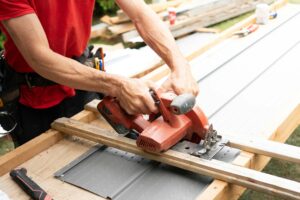
Once permits are approved and materials ordered, the deck building process unfolds in stages:
- Site Preparation: Clearing ground cover, leveling, and marking layout points.
- Foundation and Footings: Digging properly below Maryland’s frost line (usually 30–36 inches deep) prevents shifting.
- Framing: Constructing a secure skeleton using beams, joists, and ledger boards.
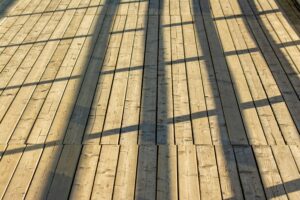
- Deck Surface Installation: Laying planks with proper spacing for expansion and drainage.
- Railing and Stairs Construction: Ensuring safety and compliance with local height codes.
- Finishing Touches: Sealing, staining, or adding lighting features.
After completion, schedule a final inspection with your local county office. They’ll verify that your deck building aligns with safety codes and your approved plans.
Step 8: Maintenance and Long-Term Care
Your deck building journey doesn’t end once the project is complete—maintenance is vital for longevity. Maryland’s weather can be unforgiving, and proactive care saves time and money in the long run.
Here’s a maintenance checklist to follow each season:
- Spring: Inspect for loose nails, screws, and boards. Clean deck surfaces and wash off winter debris.
- Summer: Reapply UV-resistant sealants and check for moisture build-up under the deck.
- Fall: Remove leaves and organic material that can trap moisture.
- Winter: Avoid using metal shovels or salt that can damage finishes.
Composite and PVC decks require less maintenance, but even they benefit from annual cleaning to maintain appearance.
Step 9: Enhancing Your Deck with Accessories
Once you complete your deck building project, think about personalizing it. Accessories can elevate the ambiance and extend the usability of your outdoor space.
Popular deck additions include:
- LED Lighting: Perfect for evening dining or entertainment.
- Built-in Seating or Storage: Ideal for smaller decks or urban homes.
- Outdoor Kitchens: A growing trend in upscale Maryland neighborhoods.
- Canopies or Pergolas: Provide shade and sophistication.
By integrating these features, your outdoor space can truly reflect your personality and lifestyle.
Final Thoughts
Embarking on a deck building project in Maryland is both exciting and rewarding when approached with proper planning. From understanding local permit requirements to selecting the right materials for your environment, every detail contributes to the longevity and beauty of your outdoor space.
By following these steps, Maryland homeowners can enjoy decks that not only withstand the test of time but also enhance property value and everyday living. So whether you’re nestled near Chesapeake Bay or the rolling hills of Frederick County, thoughtful planning will turn your deck building vision into a structure that feels like a true extension of home.
Tips to Make the Most of Deck Building: From Planning to Long-Lasting Materials
Building a deck can transform your outdoor space into a true extension of your home. However, deck building is far more than hammering boards together — it’s an art of planning, permitting, choosing resilient materials, and applying clever design principles to make your investment last for years. Whether you’re a first-time DIYer or hiring professionals, understanding the full scope of deck building helps you avoid costly mistakes and ensures every part of your project adds both beauty and value to your home.
Below, you’ll find 8+ detailed, actionable tips to help you achieve deck building success — from the foundation to the finishing touches. Each recommendation combines strategic planning, technical insights, and sustainable choices designed to make your deck beautiful, safe, and durable.
Final Thoughts on Deck Building
When done correctly, deck building is not just about creating a platform — it’s about shaping experiences. It’s where family dinners meet sunsets, where quiet mornings start with coffee and birdsong. The key to success lies in thoughtful planning, quality materials, and consistent maintenance. By understanding each stage — from obtaining permits to choosing sustainable materials — you ensure your deck stands firm and beautiful for decades.
Every detail matters in the deck building process. Take the time to measure twice, design carefully, and prioritize safety and comfort at every turn. With these tips, your outdoor space won’t just look stunning — it’ll function as a long-term extension of your home’s heart.
Key Concepts
Deck Building in Maryland is more than assembling boards and posts; it combines design, engineering, climate awareness, and lifestyle needs. In a region shaped by coastal humidity, changing seasons, varied terrain, and urban development, a deck must balance beauty, function, and durability. Successful deck building requires thoughtful planning, smart material choices, and adaptation to local conditions. It is both a technical process and a creative expression, turning outdoor areas into lasting spaces that connect the home with nature while supporting safety, comfort, and long-term value.
The Anatomy of Deck Building as a Conceptual Framework
Deck Building represents the desire to extend indoor comfort into outdoor living. In Maryland, it also reflects adaptation to climate, geography, and lifestyle, from salty Chesapeake breezes to rocky inland terrain. The concept rests on three pillars: structure, material, and meaning. Structure provides safety, materials shape durability and character, and meaning gives the space purpose. True Deck Building connects craftsmanship, local regulations, environmental conditions, and the daily rhythms of Maryland living.
Planning as a Philosophy of Space and Context
Planning in Deck Building is more than measuring space or securing permits; it is about understanding how people, place, and purpose connect. In Maryland areas like Bethesda or Silver Spring, a deck becomes a transition between private comfort and outdoor openness. Good planning considers terrain, sunlight, views, climate, safety, and how the space will be used. Maryland’s varied geography, from coastal plains to elevated ridges, requires builders to think carefully about layout and long-term performance. In this sense, deck planning combines imagination, regulation, and practical design to create an outdoor space that feels natural, safe, and connected to its surroundings.
The Environmental Dialogue: Deck Building in Maryland’s Climate
Deck Building in Maryland is shaped by constant environmental challenges. Humid summers, salty coastal winds, heavy rain, and cold winters all influence how a deck should be designed, built, and maintained. Weather becomes a key factor in choosing materials, from cedar that ages naturally to composite decking that resists moisture and decay. A deck is not a static structure; it must adapt to Maryland’s changing climate over time. Good Deck Building balances beauty, durability, and resilience, creating an outdoor space that connects the home with the surrounding landscape while standing strong through seasons of use.
The Material Language: Texture, Tone, and Timelessness
Every material in Deck Building speaks a different dialect of endurance. In a place like Rockville, a deck built with rich mahogany carries a warm, classic tone—a tactile reminder of craftsmanship and legacy. Meanwhile, along the Eastern Shore, composite decking might dominate, its engineered consistency reflecting a modernist embrace of longevity and low maintenance.
Conceptually, materials are to Deck Building what words are to poetry. Each has rhythm, nuance, and depth. The grain of wood is like the pulse of language—unique, unpredictable, and alive. Metal railings introduce contrast, offering a visual dialogue between strength and subtlety. And the choice between natural and synthetic materials can mirror the human condition itself—between embracing imperfection and striving for permanence.
In Maryland’s cultural landscape, where historical reverence meets contemporary innovation, material selection becomes a philosophical act. It bridges past and future, memory and aspiration. In essence, Deck Building materials become vessels of narrative continuity.
Regulations and Permits as Cultural Artifacts
In Deck Building, permits and regulations are more than paperwork; they represent shared responsibility, safety, and community order. Across Maryland counties, building codes help ensure that each deck is structurally sound, environmentally aware, and aligned with neighborhood standards. Like punctuation in writing, permits set necessary boundaries without eliminating creativity. They guide homeowners and builders so outdoor spaces are not only personal expressions, but also safe, legal, and respectful additions to the broader community.
Cultural Identity and the Maryland Aesthetic
Deck Building in Maryland reflects the state’s cultural and geographic diversity. In Baltimore, rooftop decks represent urban living and connection to the skyline, while in places like Hagerstown or Columbia, backyard decks create open spaces for family, nature, and relaxation. Each deck adapts to local lifestyle, architecture, and landscape, making it more than a structure. It becomes a symbol of Maryland’s identity: coastal and inland, traditional and modern, practical and expressive. In this sense, deck building represents expansion while staying rooted in home, history, and community.
The Temporal Dimension: Decks as Living Memory
Time is an invisible blueprint within the theory of Deck Building. In the heart of an Annapolis summer or a snowy evening in Towson, a deck becomes an evolving canvas. The wood expands and contracts, the colors shift, the surface gathers the patina of experiences. It’s an archive of lived moments—each meal, each conversation, each quiet morning coffee imprinted subtly onto its texture.
From this lens, Deck Building becomes a reflection on impermanence. The effort to construct something lasting in the face of weather, wear, and time is a profoundly human endeavor. It is a pursuit of harmony between decay and beauty, between nature’s cycle and our wish for constancy.
Thus, understanding Deck Building is also understanding temporality. A deck stands as a quiet philosopher, teaching through its surfaces that endurance is not the absence of change, but the art of coexisting with it.
Conclusion: Deck Building as Regional and Human Expression
Deck Building in Maryland is more than a technical project; it is a connection between home, landscape, culture, and craftsmanship. It reflects the state’s balance between coastal tradition, urban energy, history, and modern living. Every design choice, material, and structural detail tells a story of adaptation to climate and place. A deck becomes a threshold between nature and architecture, creating a space where people gather, relax, and feel rooted. In this way, Deck Building becomes both a practical investment and a human expression of belonging.
FAQ: Everything You Need to Know About Deck Building
Building a custom deck is one of the best ways to expand your outdoor living space and boost property value. However, the Deck Building process involves more than just hammering boards together — it requires careful planning, understanding local permits, and choosing materials that truly last. Below, we’ll address some of the most common questions homeowners have about Deck Building, helping you start your project with confidence.
❓ What are the first steps in Deck Building?
The first stage of Deck Building begins with a clear vision and a well-defined plan. Start by outlining the size, shape, and function of your deck. Then, establish a realistic budget and review local building codes. These steps ensure you create a safe structure that meets both your lifestyle and regulatory requirements.
❓ Do I need a permit before starting Deck Building?
Yes. In most areas, obtaining a building permit is a mandatory part of Deck Building. Permits help ensure your deck meets safety standards, structural integrity, and zoning laws. Skipping this step could result in fines or issues when selling your home later on. Always check with your local municipality before construction begins.
❓ Which materials are best for long-lasting Deck Building projects?
When it comes to Deck Building, material selection makes a huge difference in longevity and maintenance. Pressure-treated wood, cedar, composite, and PVC are the top choices. Composite and PVC materials require minimal upkeep and resist moisture, while natural wood offers a classic appearance that can be maintained with regular sealing and staining.
❓ How long does it take to complete a Deck Building project?
The timeline for Deck Building varies depending on the deck’s complexity, size, and materials. On average, a simple deck can take one to two weeks to build once materials arrive. Larger or multi-level decks may take several weeks. Planning ahead for permits and material deliveries can help reduce delays.
❓ How much does Deck Building typically cost?
Costs for Deck Building depend on several factors: materials, labor, design, and local permit fees. A basic wood deck might range from $15–$35 per square foot, while composite or PVC decks can reach $40–$60 per square foot. Spending more on durable materials often pays off in long-term savings and reduced maintenance.
❓ Can I do Deck Building myself, or should I hire a professional?
DIY Deck Building is possible for experienced homeowners comfortable with tools and construction. However, hiring a certified contractor saves time and ensures your deck meets code requirements. Professionals can assist with design, structural calculations, and securing the necessary permits.
❓ How can I maintain my deck after construction?
Proper maintenance is essential to protect your Deck Building investment. Clean your deck regularly to remove debris, and inspect for loose boards or rusting fasteners. Wood decks should be resealed or stained every 1–2 years, while composite decks typically require only occasional washing.
❓ What’s the biggest mistake people make when Deck Building?
One common Deck Building mistake is neglecting proper planning and permits. Skipping these steps can lead to structural issues, cost overruns, or even legal problems. Another frequent error is choosing the wrong material for the local climate. Always research, plan, and consult professionals when needed.