




Maryland’s climate can quickly damage poorly built fences. After heavy rain, humidity, and freezing winters, homeowners often see warped wood, rusted metal, or loose panels. These issues happen when fencing materials and installation methods aren’t designed for the region’s demanding weather conditions.
Fencing in Maryland requires climate-specific solutions that account for humid summers, intense rainfall, and seasonal temperature shifts. Choosing durable materials, such as moisture-resistant wood, treated metal, or composite fencing, is essential for long-term performance. Proper installation techniques and routine maintenance also play a major role in preventing rot, rust, and structural weakening.
Understanding how Maryland’s weather affects fencing helps homeowners make smarter investment decisions. By selecting materials and designs built for resilience, you can enjoy a fence that maintains its strength, appearance, and functionality year-round, no matter the season.
Key Takeaways
Maryland’s humid climate, heavy rain, and freeze-thaw cycles can quickly damage poorly built fences.
Weather-resistant materials like vinyl, composite, treated wood, and coated metal improve durability.
Proper installation, including deep-set posts and corrosion-resistant hardware, is essential.
Routine maintenance prevents rot, rust, warping, and structural weakening.
Climate-specific fencing increases longevity, curb appeal, and property value in Maryland.
Why Fencing in Maryland Built to Withstand Rain, Humidity, and Seasonal Weather Is More Important Than You Think
When it comes to investing in fencing for your Maryland property, understanding the unique demands posed by the local climate is crucial. Maryland’s weather patterns include frequent rain, high humidity, and shifting seasonal temperatures, all of which can quickly degrade standard fences if they are not specifically designed to endure these conditions. But what exactly makes fencing in Maryland built to withstand rain, humidity, and seasonal weather so vital? Let’s dive into the context and benefits behind this investment.
Understanding the Challenge: Maryland’s Weather Dynamics
Maryland’s geographical position on the Eastern Seaboard exposes it to a variety of weather challenges. The state receives an average of 43 inches of rain annually, distributed fairly evenly throughout the year, resulting in consistently damp conditions. Humidity levels often climb above 70% during peak summer months, accelerating the wear and tear on outdoor materials. During winter, Maryland faces fluctuating temperatures, occasional snow, and cycles of freezing and thawing. This combination creates a perfect storm for fencing materials that aren’t specifically treated or engineered for durability.
A poorly chosen fence can suffer from rapid deterioration caused by moisture absorption, mold and mildew growth, and warping or cracking due to temperature variations. In fact, studies show that about 30% of residential fence failures across humid and rainy climates are due to moisture-related damage. This means homeowners often face costly repairs and replacements much sooner than expected.
The Benefits of Weather-Resistant Maryland Fencing
Opting for fencing built to withstand these specific Maryland weather challenges yields several tangible benefits:
– Longevity and Durability: Quality, weather-resistant materials like vinyl composites, treated wood, or powder-coated metals maintain structural integrity even after multiple rainy seasons.
– Reduced Maintenance Costs: Fences constructed with moisture-resistant coatings prevent rot, rust, and mold, minimizing the need for frequent repairs, painting, or replacements.
– Aesthetic Appeal Year-Round: Whether it’s the humid heat of summer or the gray winters, these fences retain their look, preserving your property’s curb appeal.
– Increased Property Value: Durable fencing that stands up to local weather conditions is an attractive feature for potential buyers, enhancing your home’s overall market value.
A Story of Success: The Johnson Family’s Maryland Home Fence
Consider the Johnson family from Annapolis. After their old wooden fence rotted and leaned precariously due to years of relentless rain and humidity, they decided to invest in a fence specifically designed for Maryland’s climate. The new fence, made from high-grade vinyl with UV and moisture-resistant properties, has now stood strong for five years without any signs of warping or discoloration. Not only has it preserved their backyard’s privacy and security, but it has also enhanced their home’s aesthetic and required little ongoing upkeep.
This success story isn’t unique. Homeowners across Maryland who prioritize weather-resistant fencing find themselves saving thousands in maintenance costs while benefiting from a beautiful, functional outdoor boundary that stands the test of time.
The Takeaway
In Maryland, fencing is more than just a property line marker; it’s a critical investment that must be tailored to battle the elements, rain, high humidity, and the swings of seasonal weather. Choosing fencing built to withstand these environmental challenges means ensuring durability, lowering maintenance demands, and adding value to your home for years to come. In the long run, the right fence won’t just protect your property, it will also protect your wallet and your peace of mind.
Tips for Choosing and Maintaining Fencing in Maryland Built to Withstand Rain, Humidity, and Seasonal Weather:
Choose Weather-Resistant Materials: Opt for fencing materials like vinyl, composite, or treated wood designed to resist moisture and prevent rot in Maryland’s humid climate.
Apply Protective Sealants: Regularly seal wooden fences with water-repellent finishes to extend their lifespan against rain and humidity.
Ensure Proper Drainage: Install fences with adequate clearance and grade the area to avoid water pooling, which speeds up material degradation.
Use Rust-Resistant Hardware: Pick stainless steel or galvanized nails, screws, and hinges to prevent corrosion from Maryland’s frequent rain showers.
Schedule Seasonal Maintenance: Inspect your fence before and after Maryland’s rainy seasons to address early signs of damage or mold growth.
Trim Nearby Vegetation: Keep plants and shrubs away from the fence to promote airflow and reduce moisture buildup that causes mildew.
Reinforce Posts Deeply: Set fence posts below the frost line with concrete footings to withstand seasonal ground shifts and heavy rains.
Clean Regularly: Wash fences using mild soap and water to remove dirt and mildew, helping them stay strong and attractive year-round.
Consider Professional Installation: Expert installers understand Maryland’s climate challenges and can build fences to endure humidity and changing weather.
💡 Extra Tip: For coastal areas in Maryland, salt-resistant fencing components can further protect against corrosion caused by salty air.
Key Concepts of Fencing in Maryland Built to Withstand Rain, Humidity, and Seasonal Weather
When we talk about fencing in Maryland, especially fences designed to endure the state’s fluctuating climate, we are stepping into a fascinating interplay between material science, environmental adaptation, and aesthetic resilience. Maryland’s weather is much like a finely tuned orchestra, with each season introducing its own rhythm of rain, humidity, temperature swings, and winds. Understanding fencing within this context requires a deep dive into several conceptual arenas, each revealing why some fences merely stand, while others thrive as robust guardians of property through time.
The Dance Between Material and Climate
Imagine fencing as a living entity, its survival hinged on a delicate dialogue with the environment. Maryland’s climate, typified by humid summers, icy winters, and periodic downpours, acts as both sculptor and challenger. Materials used for fencing, wood, vinyl, metal, or composite, experience these elements differently. The analogy of a marathon runner is apt: just as a runner’s training adapts to terrain and weather, a fence’s material properties must align with Maryland’s atmospheric conditions to avoid premature wear.
– Wood, for instance, is akin to a sponge that breathes moisture. Under Maryland’s humidity and frequent rains, untreated or poorly maintained wood can warp, rot, or become a haven for fungal growth. It’s the fencing equivalent of a heart that struggles to keep pace under stress.
– Metal fences, such as wrought iron or aluminum, bear strength reminiscent of a stalwart soldier. However, if unprotected, they corrode under persistent moisture and salt air, a slow erosion like rust quietly eating away at an old foundation.
– Vinyl and composite materials represent the modern athlete designed with engineered endurance. These materials resist moisture absorption and temperature fluctuations, allowing them to maintain form and function without the constant care that natural materials demand.
The Imperative of Weather Resilience
Fencing in Maryland must do more than merely exist, it must resist and recover. This touches on the concept of weather resilience, the fence’s intrinsic ability to absorb shocks from environmental stressors and bounce back without losing structural integrity.
Consider the varying moods of Maryland’s weather: torrential spring rains saturate the ground, summer humidity wraps everything in a steamy embrace, autumn winds shake loose leaves and debris, and winters coat fences with frost and snow. Each season imprints a different test on the fence, demanding flexible strength and adaptive responses. Think of it like a seasoned sailor adjusting sails through shifting winds; the fence must balance rigidity and flexibility.
Seasonal Cycles and Their Impact on Fencing
Maryland’s seasonal transitions are more than calendar changes, they are cycles that dictate the biological and physical stresses fences endure. To visualize this, let’s picture the fence as a tree rooted firmly, yet subject to the forces of nature through the year:
– Spring brings moisture not only in rain but in elevated humidity, encouraging expansion in wooden panels and the onset of rust on metal. The swelling and contracting of materials resemble the breathing of the tree after a long winter, vulnerable yet vital.
– Summer’s humidity and heat work like a slow forge, sometimes warping materials or causing paint to blister. This intense energy tests the fence’s coating and protective barriers, much like a shield absorbing the full brunt of a summer sun-storm.
– Fall’s dryness and breezes strip away accumulated moisture but also loosen soil and fastenings, which challenges the fence’s anchoring, akin to roots shaking under gusts.
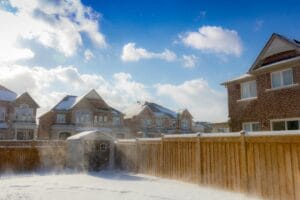
– Winter freezes and snow deliver the harshest blows. Ice can expand within cracks, splitting wood or stripping finishes. Snow weight adds physical stress, similar to a heavy load bending the branches of a resilient tree.
Through these cycles, the fence’s durability depends largely on how well it manages expansion, contraction, and protective continuity. It must be engineered not as a static barrier but as a dynamic system that breathes with the seasons.
The Concept of Protective Barrier and Longevity
At its essence, a fence in Maryland is a sentinel, a boundary line drawn with purpose, both physical and symbolic. Beyond demarcating property, it withstands nature’s encroachments. This leads us to the notion of the fence as a protective barrier, not just for privacy or aesthetics, but as a defense against the relentless elements.
This concept calls for understanding not only materials but also the protective barriers applied, such as paints, sealants, galvanization, and UV inhibitors. These layers act like armor, designed to prolong the fence’s life, much in the same way that a knight’s armor is crafted to resist blows without sacrificing mobility.
Longevity intertwines fundamentally with this protection. A fence that withstands humidity but succumbs to a harsh winter has failed its integral mission. Hence, durability is less about one strength and more about balanced resilience, an orchestra of factors working in harmony across time.
Aesthetic Adaptation: Beauty Meets Toughness
Fencing in Maryland is not only about durability but also aesthetic adaptation. A well-designed fence complements the landscape while resisting humidity, rain, and seasonal shifts. Color choices, finishes, and materials play a strategic role, darker stains help manage moisture, light vinyl reflects heat, and metal designs allow wind flow. In this way, fencing becomes both a resilient barrier and a visual statement shaped by Maryland’s changing climate.—
In encapsulating these key concepts, fencing in Maryland emerges not just as a practical installation but as a dynamic entity shaped by climate, materials, and seasonal dramas. It teaches us about adaptation, endurance, and beauty that perseveres, not unlike the very spirit of Maryland itself.
Frequently Asked Questions
❓ What types of fencing materials are best suited for Maryland’s rainy and humid climate?
When considering fencing in Maryland, materials like vinyl, composite, and pressure-treated wood are highly recommended. These options resist moisture and humidity better than untreated wood or metal, ensuring your fence lasts through heavy rains and seasonal changes.
❓ How can I maintain my fence to withstand Maryland’s seasonal weather?
Regular maintenance is key. For wood fences, applying weatherproof sealant annually helps prevent water damage and warping. Vinyl or composite fences require minimal upkeep, but cleaning with mild soap and water removes buildup caused by humidity or rain.
❓ Will a metal fence rust quickly in Maryland’s humid environment?
Metal fences can rust if not properly treated. Opt for galvanized steel or aluminum fences with powder-coated finishes to prevent rust and corrosion. These coatings act as protective barriers against moisture from rain and humidity, extending the fence’s lifespan.
❓ How does Maryland’s seasonal weather impact fence installation?
Installing fencing during dry, mild seasons is ideal to avoid issues like soil movement and setting problems caused by rain or frost. Proper installation involves securing posts deeply into the ground and using concrete footings designed to handle freeze-thaw cycles common in Maryland.
❓ Are there any local regulations or restrictions on fencing materials in Maryland?
Yes, Maryland counties often have specific fencing codes regarding height, materials, and placement to ensure safety and neighborhood aesthetics. It’s important to check with your local building department before installation to comply with any rules related to fencing in Maryland.