


When home damage happens because of a leak, flood, or storm, the first few minutes are critical. Acting quickly can help protect your family, reduce repair costs, and prevent the damage from getting worse. The most important step is to make sure everyone is safe. Avoid standing water, exposed wires, unstable ceilings, or damaged structures. If there is any danger from electricity, gas, or flooding, leave the area and call emergency services immediately.
Once it is safe, try to stop the source of the damage. For a leak, shut off the main water supply. For storm damage, avoid going outside until conditions improve. If water is entering through the roof or windows, use temporary protection such as buckets, towels, plastic sheeting, or tarps only when it can be done safely.
Next, document everything. Take clear photos and videos of the affected areas, damaged belongings, standing water, broken materials, and any temporary fixes you apply. This evidence can help when filing an insurance claim. Keep receipts for emergency repairs, cleanup supplies, hotel stays, or professional services.
Contact your insurance company as soon as possible to report the damage and ask what steps they require. They may send an adjuster or recommend approved contractors. Before hiring any emergency service provider, verify their license, insurance, reviews, and written estimate. Be cautious of companies that pressure you, demand full payment upfront, or show up unsolicited after a disaster.
Finally, focus on preventing further damage. Professional restoration teams can remove water, dry affected areas, inspect for mold risk, secure openings, and begin repairs. With a clear plan, trusted Emergency Services, and proper documentation, homeowners can respond faster, avoid scams, and protect their home after an unexpected emergency.
Key Takeaways
- Act fast after home damage: The first few minutes after a leak, flood, or storm are critical to protect your family, reduce repair costs, and prevent the damage from spreading.
- Safety comes first: Avoid standing water, exposed wires, unstable ceilings, damaged structures, or areas affected by gas, flooding, or electrical hazards.
- Stop the source when possible: Shut off the main water supply after a leak and use temporary protection, such as buckets, towels, plastic sheets, or tarps, only when it is safe.
- Document everything: Take clear photos and videos of damaged areas, belongings, standing water, broken materials, and any temporary repairs before cleanup begins.
- Contact your insurance company quickly: Report the damage as soon as possible and ask about required documentation, adjuster visits, and approved contractors.
- Choose trusted Emergency Services: Before hiring help, verify licenses, insurance, customer reviews, and written estimates to avoid scams or poor-quality work.
- Watch for red flags: Be cautious of companies that pressure you, demand full payment upfront, or show up unsolicited after a disaster.
- Prevent further damage: Emergency restoration teams can remove water, dry affected areas, inspect for mold, secure openings, and begin repairs safely.
- Hidden damage matters: Mold, weakened beams, damaged wiring, and structural compromise may not be visible right away, making professional inspection important.
- Home damage is emotional too: Leaks, floods, and storms can disrupt comfort, safety, and family stability, so recovery should address both physical repairs and peace of mind.
Why Understanding Home Damage Is More Important Than You Think
Understanding home damage is essential because fast action can prevent a small problem from becoming a major loss. Damage from leaks, floods, or storms can affect the structure of a house, its systems, and personal belongings. Some signs are obvious, such as cracked walls, water stains, broken windows, or ruined floors. Others may be hidden, including mold inside walls, weakened materials, or damaged electrical wiring.
The severity of home damage depends on the event. A small leak may only stain a ceiling, but if ignored, it can lead to mold, structural issues, and costly repairs. A flood or severe storm can destroy flooring, walls, furniture, and personal items within a short time. Delaying repairs often makes the situation worse, especially after water intrusion, since mold can begin developing within 24 to 48 hours.
A clear example is a homeowner who noticed a minor leak after a storm but waited two days to call for help. By then, the water had spread, damaged the walls, weakened the structure, and caused mold growth. Early action could have saved money, reduced stress, and prevented weeks of displacement.
Knowing how to respond gives homeowners more control during an emergency. Important first steps include shutting off the water source when possible, avoiding unsafe areas, documenting the damage with photos and videos, contacting the insurance company, and calling trusted emergency services. Recognizing damage early and acting quickly helps protect your home, health, finances, and peace of mind after a leak, flood, or storm.
Tips for Handling Home Damage
- Shut off the water and electricity: Immediately turn off the main water valve and electrical supply to prevent further damage and reduce the risk of accidents.
- Document the damage: Take clear photos and videos of all affected areas before starting any cleanup or repairs, which is crucial for insurance claims.
- Contact your insurance company: Report the incident as soon as possible to start the claim process and get guidance on next steps.
- Call emergency services if needed: If there are structural issues, hazardous materials, or flooding affecting safety, don’t hesitate to call professionals for assistance.
- Remove valuables and important documents: Safeguard your treasured belongings by relocating them to a dry and safe place away from damaged areas.
- Begin water removal quickly: Use pumps, wet vacuums, or buckets to eliminate standing water and reduce the risk of mold development.
- Use fans and dehumidifiers: Enhance airflow and reduce moisture by setting up fans and dehumidifiers in the home after water removal.
- Avoid DIY electrical repairs: Damaged wiring or appliances should be evaluated only by qualified electricians to prevent fire hazards.
💡 Extra tip: Keep an emergency kit ready with essentials like flashlights, batteries, bottled water, and a first aid kit, so you’re prepared for unexpected home damage situations.
Key Concepts About Home Damage
When we think of home damage, especially in the aftermath of a leak, flood, or storm, it’s much more than the visible destruction that meets the eye. Home damage operates on different levels, intertwining physical structures with emotional responses and long-term consequences. To truly grasp the essence of home damage, we must dive into its multifaceted nature, both tangible and intangible.
The Anatomy of Home Damage
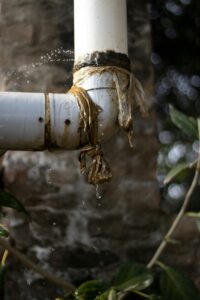
Home damage works like trauma to a living organism: a small leak can become a serious problem if ignored, while floods or storms can cause immediate structural harm. Beyond warped floors, damaged roofs, or broken materials, hidden issues like mold can affect air quality and health. These emergencies also disrupt family stability, showing that home damage is both physical and emotional.
The Ripple Effect: Beyond Immediate Damage
Home damage often spreads beyond the first problem. A small leak can lead to electrical risks, flooding can weaken structures, and storm damage may force repairs, insurance claims, or temporary relocation. Each incident creates new decisions and challenges, making quick action and reliable emergency services essential to prevent the situation from getting worse.
Emotional Scars Embedded in Physical Damage
A home often symbolizes more than shelter, it is a repository of memories, comfort, and identity. When damage strikes, the loss carries an emotional weight that parallels physical reconstruction efforts. The displacement during repairs or the sight of cherished furniture ruined by water can evoke feelings of vulnerability and grief.
This connection explains why many people describe home damage events as deeply traumatic, not just inconvenient. It’s a fracture not only of wood and drywall but of the safe haven that nurtures daily life. Recognizing this emotional dimension is essential to truly appreciate the challenges faced in the wake of leaks, floods, or storm damage.
The Invisible Threats: Mold and Structural Compromise
Some of the most serious home damage is hidden. Mold can grow behind walls or under floors after leaks or floods, affecting air quality and health. Water can also weaken beams, corrode supports, and damage foundations without obvious signs. Because these risks may appear later, a proper inspection is essential. Home damage assessment should look beyond visible issues and consider hidden threats that can worsen over time.
The Concept of Home as a Dynamic System
Home damage challenges the common perception of a house as a static, passive construct. Instead, consider it a dynamic system in constant interaction with environmental forces. Storms, leaks, and floods represent disruptions, external shocks, that prompt responses from the home system.
Just like an ecosystem responds to storms by adapting or succumbing, a house must manage moisture control, structural integrity, and air circulation to maintain equilibrium. Damage reveals points of failure in this system and also the resilience embedded within design and materials.
This dynamic viewpoint encourages a holistic appreciation of home damage, seeing each incident not as a discrete problem but as part of a continuum affecting the health and longevity of the home organism.
The Language of Damage: Visuals and Metaphors
One way to better conceptualize home damage is through metaphor. Picture a flood as a rising tide of chaos invading a tightly knit community inside the home walls. Each leak is a slow but persistent drip of time itself, eroding trust in safety and comfort. Storm damage acts like a sudden, violent intrusion, a rattling of the foundations of normalcy.
These metaphors help frame the experience of home damage as not only an engineering or architectural issue but as a story of intrusion, vulnerability, repair, and renewal. They invite us to look beyond the surface and empathize with the layered realities homeowners endure.

In the realm of emergency services, understanding these key concepts of home damage provides crucial context. It’s not merely about fixing visible cracks or drying walls, but about recognizing the entire ecosystem of consequences, physical, emotional, and temporal, that every leak, flood, or storm casts upon a home. By grasping this complexity, responders and homeowners alike can approach recovery with deeper insight and sensitivity.
Frequently Asked Questions About Home Damage
❓ What is the first thing I should do after discovering home damage from a leak, flood, or storm?
The very first step is to ensure everyone’s safety. Evacuate if necessary and avoid contact with standing water, especially if electrical appliances are involved. Then, turn off the main water and electricity supplies if it’s safe to do so before contacting emergency services or a professional restoration company.
❓ When should I call emergency services for home damage?
Call emergency services immediately if there’s a risk of fire, gas leaks, severe structural damage, or if anyone is injured. For water leaks or flooding, if the situation is uncontrollable or causing significant hazards, emergency professionals can assist swiftly to minimize damage.
❓ How can I limit further damage before help arrives?
You can try to contain the leak by placing buckets or towels under drips, move valuables off soaked floors, and cover broken windows or holes with plastic sheeting. Avoid using electrical devices in wet areas and do not attempt major repairs yourself, as this can cause more harm.
❓ Will my home insurance cover damage from leaks, floods, or storms?
Coverage varies depending on your insurance policy. Standard homeowners insurance usually covers sudden leaks or storm damage but often excludes flooding from natural disasters. It’s essential to review your policy and consider additional flood insurance if you live in a high-risk area.
❓ How soon should I start professional restoration after experiencing home damage?
The sooner you begin restoration, the better. Immediate action can prevent mold growth, structural weakening, and health hazards. Contacting a professional restoration service within 24 to 48 hours after the incident is highly recommended to assess and mitigate damage effectively.