

Severe storms, heavy snow, and high humidity can quickly test the strength of any roof. In regions with unpredictable weather, waking up to fallen branches, driving rain, or strong wind
s is not unusual. That’s why expert roofing solutions built to withstand wind, snow, and moisture are essential for long-term home protection.
Hot, humid summers can cause materials to expand, warp, or weaken, while winter snow adds weight and stress to shingles and structural components. Powerful winds may lift poorly secured roofing, leading to leaks and costly damage. Without climate-specific solutions, homeowners risk structural issues and repeated repairs.
This article explains how specialized roofing systems are engineered to handle these challenges. From impact-resistant shingles and reinforced underlayment to proper ventilation and drainage design, every detail plays a role in durability. You’ll also learn why generic roofing approaches often fail in demanding climates and how experienced professionals tailor materials and installation methods for maximum resilience.
By understanding these expert roofing strategies, homeowners can make informed decisions that protect their investment. With the right materials, design, and maintenance plan, your roof can stand strong against wind, snow, and humidity season after season, delivering safety, efficiency, and lasting peace of mind.
Key Takeaways
Severe weather conditions like wind, snow, and humidity can significantly weaken standard roofing systems.
Climate-specific roofing solutions are essential for long-term d
urability and protection.
Hot summers can cause expansion and warping, while heavy snow adds structural stress.
Strong winds may lift poorly secured shingles, leading to leaks and costly damage.
Impact-resistant shingles, reinforced underlayment, and proper ventilation improve resilience.
Moisture control and drainage design are critical in humid climates.
Generic roofing approaches often fail in demanding weather conditions.
Expert Roofing ensures materials and installation methods are tailored for maximum strength and longevity.
Regular inspections and maintenance extend roof lifespan and reduce repair costs.
Investing in specialized roofing protects property value and delivers lasting peace of mind.
Why Roofing Solutions in Maryland Matter More Than You Think
When it comes to protecting your home, few elements are as crucial as your roof. Roofing solutions are more than just a construction task, they are a vital line of defense against the area’s unique climate challenges. In Maryland, where residents face powerful winds, heavy snowfall, and high humidity, having expert roofing solutions tailored to these conditions is not just beneficial, it’s essential.
Understanding Roofing Solutions in Maryland
Roofing solutions encompass a wide range of services and materials designed to construct, repair, or replace roofs in a way that best fits the environment and lifestyle of a specific area. In Maryland, the combination of weather factors poses a distinct challenge. Unlike regions that experience only one dominant weather pattern, Maryland’s blend of severe windstorms, seasonal snow, and persistent humidity demands roofing solutions that can perform well year-round.
Statistics from the National Weather Service highlight Maryland’s exposure to seasonal storms: the state averages about 20 to 30 days of significant wind events each year and can receive upwards of 20 inches of snow in a single winter season, depending on the region. Meanwhile, the Chesapeake Bay’s proximity creates a humid climate that accelerates wear and tear on roofing materials if not properly addressed.
The Importance of Expert Roofing Solutions Built for Maryland’s Climate
Choosing standard roofing materials or installation methods without considering these elements can result in costly damage down the line. For example, roofs that are not designed to withstand strong gusts may suffer from lifted shingles or structural damage during windstorms. Similarly, poor waterproofing makes roofs vulnerable to leaks and mold growth in high humidity environments.
Maryland’s varied weather conditions also influence the choice of roofing materials. Asphalt shingles, while popular, may require reinforcement or better ventilation systems to optimize their lifespan here. Metal roofing, on the other hand, is appreciated for its durability and ability to shed snow and rain efficiently, but it too must be expertly installed to prevent issues like condensation, common in humid climates.
A Success Story: How Expert Roofing Solutions Saved a Maryland Home
After years of heavy snow and strong winds, the Brennan family’s aging roof began leaking, damaging their home’s interior. They contacted a local roofing specialist experienced in climate-specific solutions. After a detailed inspection, the team installed reinforced asphalt shingles, improved attic ventilation, and high-quality waterproof barriers to resist wind and moisture. The results were immediate: no leaks the following winter and lower attic humidity. Their case shows how tailored roofing solutions improve durability, safety, and peace of mind in challenging weather conditions.
The Bottom Line: Why You Should Prioritize Expert Roofing Solutions in Maryland
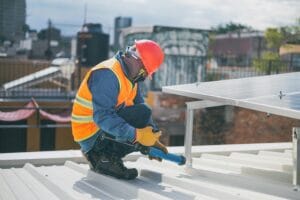
Roofing solutions built with Maryland’s climate challenges in mind are a necessity, not a luxury. From wind resistance to humidity management, these tailored approaches protect your most valuable investment, your home. Experts who understand local environmental stressors offer more than just materials and labor; they deliver systems designed to ensure durability, comfort, and protection year after year.
In summary, roofing solutions in Maryland aren’t “one size fits all.” Their significance lies in addressing the real risks posed by wind, snow, and humidity. By choosing expert solutions crafted for these factors, homeowners safeguard their property and enhance their home’s value and lifespan, a decision as wise as it is essential.
Tips for Choosing the Best Roofing Solutions in Maryland to Withstand Wind, Snow, and Humidity:
Select Durable Materials: Opt for roofing materials specially designed to resist heavy wind loads, snow accumulation, and high humidity common in Maryland. Metal roofs and architectural shingles are popular choices for their durability.
Ensure Proper Ventilation: Good ventilation prevents moisture buildup under the roof, reducing the risk of mold and rot caused by Maryland’s humid climate. Install ridge vents, soffit vents, or attic fans accordingly.
Check for Wind Resistance Ratings: Verify that the roofing products have high wind resistance ratings (such as Class 4 impact resistant shingles) to cope with frequent strong winds and storms in the area.
Invest in Professional Installation: A properly installed roof maximizes longevity and performance. Maryland’s weather demands expert craftsmanship to ensure waterproof seals and secure fastenings against wind uplift.
Regular Maintenance is Key: Schedule bi-annual roof inspections to identify damage from snow loads or moisture penetration early. Clearing debris and checking flashing maintains the roof’s protective barrier.
Consider Ice and Water Shield Underlayment: Installing an ice and water shield can prevent leaks caused by ice dams and heavy rain, both common in Maryland winters and humid seasons.
Prioritize Energy Efficiency: Use roofing solutions with reflective coatings or insulation to reduce heat absorption. This helps your home stay cooler in Maryland’s humid summers and reduces energy bills.
Choose Local Experts: Trust Maryland-based roofing contractors who understand the specific challenges of wind, snow, and humidity in the region, ensuring tailored solutions that stand the test of time.
💡 Extra Tip: When selecting roofing colors, consider lighter tones that reflect sunlight and minimize heat retention, especially important in humid Maryland summers.
By following these expert tips, you can secure a roofing solution that not only withstands Maryland’s challenging weather but also adds long-term value and protection to your home.
Key Concepts
When exploring roofing solutions, especially in the distinctive climate of Maryland, understanding the fundamental principles behind durable roof construction is essential. The region’s unique combination of wind, snow, and humidity demands roofing materials and craftsmanship designed not just for shelter, but for resilience and longevity in the face of nature’s challenging elements.
The Dynamic Challenge of Maryland’s Climate
Imagine the roof of your home as a seasoned guardian standing firm against relentless forces. Maryland’s climate presents a triad of weather adversities, wind, snow, and humidity, that interact in complex ways. Like a symphony of elements, each plays a unique role:
– Wind: Maryland’s coastal proximity exposes roofs to gusts capable of exerting tremendous pressure. In stormy episodes, wind can curl shingles, pry them loose, or leverage weak points, turning a roof into vulnerable armor. Roofing solutions must therefore incorporate aerodynamic principles, akin to how a bird’s feathers align seamlessly to minimize drag and resist turbulence.
– Snow: Snow acts both as an insulator and a weight. Yet, excessive accumulation behaves like a heavy blanket compressing the roof structure. Much like a bridge engineered to sustain variable loads, roofs in Maryland are designed to endure not only consistent snow weight but also rapid freeze-thaw cycles that threaten material stability.
– Humidity: Perhaps more insidious, humidity permeates through micro-gaps and unseen crevices, fostering mold and material degradation. Consider the roof as a living organism that breathes – proper ventilation and moisture management form the lungs, allowing the structure to expel excess dampness and prevent rot.
This climatic interplay demands that roofing solutions exceed conventional standards, blending science and craftsmanship.
Materials Engineered for Endurance
At the heart of any roofing system lies the selection of materials, each carrying intrinsic properties tailored to withstand environmental stresses. In Maryland’s context, materials are chosen not merely for aesthetics but for their molecular resilience:
– Asphalt Shingles: A common choice, asphalt shingles can incorporate fiberglass mats that resist moisture more effectively, similarly to how waterproof fabrics shield hikers in rainy terrains.
– Metal Roofing: Metals like aluminum or steel offer flexibility and strength, bending rather than breaking under wind pressure. This property likens metal roofs to the flexible joints in trees, which sway with storms avoiding fracture.
– Synthetic Composites: Emerging technologies have produced synthetic roofing options combining polymers with durability and UV resistance, echoing the adaptability seen in natural polymers like keratin in hair and nails, which balance toughness and flexibility.
Each material integrates layers of defense mechanisms designed to repel water, block wind infiltration, and withstand temperature fluctuations.
Structural Integrity as the Backbone
Beyond materials, the structural design, the very anatomy of the roof, is paramount. Roofing solutions incorporate framing methods that distribute loads evenly, much like how an exoskeleton supports and protects an insect despite external assaults.
– Truss Design: Engineered trusses create strong triangles, arguably the most stable geometric shape in construction, channeling the forces imposed by wind and snow safely downward.
– Underlayment and Sealants: Beneath visible layers lies a critical network preventing moisture intrusion. These elements act like the membrane lining inside waterproof boots, sealing vulnerable interfaces.
– Ventilation Systems: Ventilation channels work like circulatory paths, balancing internal temperature and moisture. Proper airflow prevents freeze-thaw damage and fungal growth, keeping the roof’s components healthy.
An expertly crafted roof thus functions as a coherent system, each structural component working symbiotically to maintain integrity under duress.
The Role of Precision and Expertise
Conceptually, roofing in Maryland is as much an art as a science. The precise calibration of materials, design, and installation echoes the meticulous tuning of a musical instrument to produce harmonious sound despite environmental noise.
– Customization to Local Microclimates: Different parts of Maryland encounter subtle microclimatic variations. A roofing solution that works for a coastal home may differ significantly from one suited to an inland area with heavier snowfall.
– Long-term Resilience Over Quick Fixes: Effective roofing solutions prioritize durability, akin to planting deep-rooted trees rather than transient flowers. This philosophy embodies sustainability and foresight, ensuring the defense against wind, snow, and humidity extends over decades.
In essence, expert roofing solutions are tailored endeavors that blend materials science, structural engineering, and geographic awareness, resulting in roofing systems that are living shields, resilient, adaptive, and enduring.
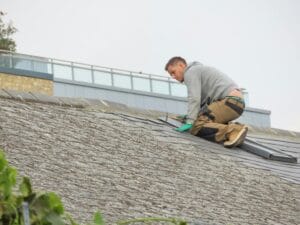
By conceptualizing roofing solutions through the lens of Maryland’s demanding environment, one appreciates that beyond simple protection, these systems embody a sophisticated dance between nature and human innovation, crafted not just to endure but to thrive amid the twists and turns of weather’s relentless narrative.
Frequently Asked Questions
❓ What makes roofing solutions in Maryland unique compared to other states?
Maryland’s roofing solutions are specially designed to withstand the state’s challenging weather conditions, including strong winds, heavy snow, and persistent humidity. Expert contractors select durable materials and implement construction techniques tailored to these elements to ensure long-lasting protection and performance.
❓ Which roofing materials work best for Maryland’s climate?
Materials like asphalt shingles with high wind resistance, metal roofing, and impact-resistant tiles are popular choices in Maryland. These materials resist moisture damage from humidity and snow accumulation, while also providing strong protection against wind uplift.
❓ How often should I have my roof inspected or maintained in Maryland?
Given Maryland’s variable weather, it’s recommended to have your roof inspected at least twice a year, once before winter and once after winter. Regular maintenance helps identify any wind or water damage early, prolonging the life of your roofing system.
❓ Can roofing solutions in Maryland handle heavy snowfall without damage?
Yes, expert Maryland roofing solutions are specifically built to manage snow loads. Proper roof slope, reinforced underlayment, and effective insulation contribute to preventing ice dams and structural stress caused by heavy snowfall.
❓ How do roofing experts in Maryland address humidity-related roofing issues?
Humidity can lead to mold, mildew, and moisture damage. Maryland roofing experts use breathable roofing systems, vapor barriers, and ventilation solutions that reduce moisture buildup and maintain the roof’s integrity even in humid conditions.