



Eco-friendly flooring is emerging as a major trend in 2026, combining style, comfort, and sustainability. Materials like reclaimed wood, cork, and other sustainable options allow homeowners and designers to create elegant spaces while reducing environmental impact. This trend reflects a growing commitment to responsible design, offering flooring solutions that are both visually appealing and environmentally conscious for modern homes and buildings
Key Takeaways: Eco-Friendly Flooring Trends for 2026
Eco-friendly flooring is a defining Flooring Trend for 2026, driven by sustainability, healthier indoor spaces, and modern design preferences.
Reclaimed wood flooring reduces environmental impact by repurposing existing materials, minimizing deforestation, and adding unique character to interiors.
Cork flooring is a renewable and biodegradable option, offering natural insulation, comfort underfoot, and resistance to mold and allergens.
Sustainable materials like bamboo and linoleum combine durability with low environmental impact, making them ideal for both residential and commercial spaces.
Eco-friendly flooring improves indoor air quality by reducing VOC emissions commonly found in conventional flooring materials.
The global sustainable flooring market is rapidly growing, reflecting increased consumer awareness and demand for responsible design solutions.
Eco-friendly flooring supports long-term cost savings through durability, reduced maintenance, and extended product lifecycles.
Certified sustainable flooring (FSC, GREENGUARD) helps ensure responsible sourcing and compliance with environmental and health standards.
Eco-friendly flooring aligns style with sustainability, proving that environmentally conscious choices can also be elegant and contemporary.
Choosing eco-friendly flooring is both a design and lifestyle decision, contributing to greener living spaces and a more sustainable future beyond 2026.
Why Eco Friendly Flooring is More Important Than You Think
How to Install Eco-Friendly Flooring
As flooring trends for 2026 continue to shift toward sustainability, eco friendly flooring options like reclaimed wood, cork, and other sustainable materials are becoming increasingly popular. If you’re considering making your home or commercial space greener with eco friendly flooring, this comprehensive step-by-step guide will help you navigate the process effectively.
Step 1: Research and Choose the Right Eco Friendly Flooring Material
Eco friendly flooring encompasses a variety of sustainable options, each with its own characteristics. Understanding these options is critical to making an informed decision:
– Reclaimed Wood: Salvaged from old barns, factories, or warehouses, reclaimed wood offers unique character with sustainability from repurposing existing materials.
– Cork: Harvested from the bark of cork oak trees without harming them, cork is renewable, soft underfoot, and naturally resistant to mold and insects.
– Bamboo: A fast-growing grass that’s technically a building-grade grass, bamboo is strong and has a similar look to hardwood.
– Linoleum: Made from natural raw materials like linseed oil, wood flour, and cork dust, linoleum is biodegradable and durable.
– Sustainable Hardwood or Engineered Wood: Certified by organizations like FSC (Forest Stewardship Council), these woods come from responsibly managed forests.
Pro Tip: Use online resources such as manufacturer websites, sustainability certifications, and customer reviews to narrow down which eco friendly flooring best suits your style, budget, and environmental goals.
Step 2: Assess Your Space and Flooring Needs
Before purchasing, carefully evaluate the space where you plan to install eco friendly flooring:
– Foot traffic: High-traffic areas require durable materials like engineered reclaimed wood or high-density cork.
– Moisture Levels: Bathrooms and basements demand moisture-resistant options like linoleum or properly sealed bamboo.
– Subfloor Condition: Make sure your subfloor is clean, dry, and level to ensure proper installation of eco friendly flooring.
– Allergies and Sensitivities: Some people may prefer hypoallergenic materials like cork due to its natural resistance to dust mites.
Step 3: Calculate the Flooring Quantity and Budget
Accurate measurements and budgeting are crucial:
– Measure the Area: Use a tape measure to determine length and width. Multiply for total square footage. It helps to add 5-10% extra to account for cuts or mistakes.
– Estimate Costs: Eco friendly flooring can vary in cost. For example, reclaimed wood might be priced higher due to sourcing and craftsmanship, while cork and linoleum tend to be more affordable.
– Factor Installation Costs: If you’re hiring professionals, include labor charges in your budget.
Step 4: Source High-Quality Eco Friendly Flooring
Finding a trustworthy supplier or retailer is essential to ensure authentic, sustainable materials:
– Visit local flooring stores or specialty eco product retailers.
– Check for certifications such as FSC, GreenGuard, or Declare labels.
– Consider reclaimed wood suppliers who can provide provenance documentation.
– Ask for samples to inspect texture, color, and finish.
Step 5: Prepare Your Room for Installation
Good preparation leads to a smooth installation process:
– Clear the room of furniture and debris.
– Remove old flooring if necessary.
– Inspect and repair subfloor issues.
– Acclimate the flooring materials in the room for 48-72 hours so they adjust to temperature and humidity, especially critical for natural materials like wood and cork.
Step 6: Install Eco Friendly Flooring
Depending on the material and your DIY skills, installation may vary:
– Reclaimed Wood: Often nailed or glued down; make sure to use eco-conscious adhesives.
– Cork: Can float (click-lock system) or be glued; follow manufacturer’s recommendations.
– Bamboo and Linoleum: May require specific underlays or sealants.
Always follow the manufacturer’s installation instructions to maintain warranties and ensure durability.
Step 7: Maintain Your Eco Friendly Flooring
Proper maintenance extends the life and beauty of your eco friendly flooring:
– Use non-toxic, eco-friendly cleaning products.
– Place mats at entrances to minimize dirt.
– Avoid excessive moisture or standing water.
– Periodically check for damage or wear and repair promptly.
—
Example Visual Guide:
| Step | Action | Tips |
|—————–|———————————–|——————————————-|
| 1. Research | Choose material | Look for certifications, reviews |
| 2. Assess Space | Measure and analyze needs | Check subfloor and moisture levels |
| 3. Budget | Calculate area and costs | Add 10% extra for waste |
| 4. Source | Find reliable supplier | Ask for samples and provenance |
| 5. Prepare | Clear room, acclimate materials | Essential for wood and cork |
| 6. Install | Follow material-specific steps | Use eco-friendly adhesives |
| 7. Maintain | Clean with gentle products | Regularly inspect for damage |
By carefully following these steps, you’ll be able to seamlessly integrate eco friendly flooring into your space, aligning with the flooring trends of 2026 while contributing to a healthier planet. Remember, eco friendly flooring is not just about materials , it’s a lifestyle choice that reflects awareness, respect, and responsibility toward the environment.
Tips for Embracing Eco Friendly Flooring in 2026 Trends 🌿
✅ Reclaimed wood flooring gives old materials new life, helping reduce deforestation while adding unique character and warmth to your space.
✅ Cork flooring stands out as a renewable option harvested without harming trees, offering durability, comfort, and natural thermal insulation.
✅ Sustainable alternatives such as bamboo, linoleum, and recycled composites support responsible production while delivering modern performance.
✅ Certifications matter when choosing eco-friendly flooring; labels like FSC and GREENGUARD help ensure environmental responsibility and healthy indoor air quality.
✅ Low-VOC finishes play a key role in maintaining cleaner indoor air and reducing long-term environmental impact.
✅ Modular and floating floor systems simplify installation and replacement, minimizing material waste and improving recyclability.
✅ Natural maintenance practices, including eco-friendly cleaning products, extend floor lifespan without relying on harsh chemicals.
✅ End-of-life planning is essential—select flooring materials that can be recycled or safely disposed of to help reduce landfill waste.
💡 Extra Tip: Combine eco-friendly flooring with energy-efficient lighting and insulation for a fully green-home makeover that boosts comfort and sustainability.
Key Concepts
In exploring the vibrant world of eco-friendly flooring as part of the flooring trends of 2026, the conversation unfolds far beyond mere aesthetics or surface appeal. “Eco Friendly Flooring” encapsulates profound principles that speak to ecological stewardship, innovative material science, and a deeper human connection to the spaces we inhabit. To truly grasp this movement, it helps to envisage flooring not just as a foundation beneath our feet, but as a living narrative, one that echoes with stories of sustainability, responsible sourcing, and timeless design.
The Essence of Eco-Friendly Flooring
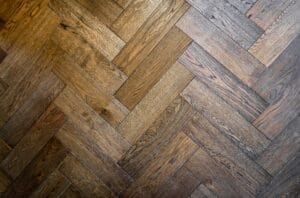
Eco-friendly flooring represents a balance between design and nature, giving new life to reclaimed materials while reducing waste and resource use. Reclaimed wood, in particular, reflects a circular approach where past craftsmanship and sustainability merge, creating floors that honor history, durability, and environmental responsibility at the same time.
Cork: Nature’s Cushion Underfoot
Cork flooring is a sustainable, renewable option harvested without harming trees, thanks to its natural regeneration cycle. Beyond its environmental benefits, cork provides comfort, sound absorption, and thermal insulation, creating a soft, nature-inspired surface that enhances both sustainability and everyday living comfort
Sustainable Materials: The Broader Ecosystem
Eco-friendly flooring goes beyond reclaimed wood and cork by including materials like bamboo and recycled composites. Bamboo offers rapid renewability with impressive strength, while recycled flooring repurposes waste into durable, stylish surfaces, reflecting a shift toward sustainable, resource-efficient design.
Symbolism and the Future of Flooring
Interwoven Narratives: Material, Memory, and Meaning
Perhaps the most compelling concept that emerges from eco-friendly flooring is the intertwined relationship between materiality and memory. Each sustainable floor carries embedded histories, of trees grown patiently, of waste redirected, of artisanal hands shaping raw elements into functional beauty. This layering of time and intention invites inhabitants to connect with their environment on levels both emotional and intellectual.
In this context, eco-friendly flooring transcends utility. It is an expression of values made tangible, a bridge between past and future, nature and human-made environments. Like a well-written story that lingers long after the last page, a floor crafted from sustainable materials leaves an imprint far beyond its physical presence, shaping how we live, feel, and dream within our homes and communal spaces.
Frequently Asked Questions about Eco Friendly Flooring
❓ What is eco friendly flooring?
Eco friendly flooring refers to floor materials produced with sustainable practices, using renewable, recycled, or non-toxic resources that minimize environmental impact. Examples include reclaimed wood, cork, bamboo, and other sustainably sourced materials.
❓ Why is eco friendly flooring becoming a trend in 2026?
In 2026, flooring trends emphasize sustainability as homeowners and designers prioritize reducing their carbon footprint. Eco friendly flooring offers stylish, durable options that align with growing environmental awareness and demand for green building practices.
❓ Are reclaimed wood floors durable enough for modern homes?
Yes, reclaimed wood flooring is not only eco friendly but also highly durable. Often sourced from old barns or factories, reclaimed wood has already endured years of wear, making it stable and strong for new installations while adding unique character and history to your floors.
❓ How does cork flooring contribute to sustainability?
Cork flooring is harvested from the bark of cork oak trees without harming the tree itself, which continues to grow and absorb CO2. This renewable process, combined with cork’s natural insulating and hypoallergenic properties, makes it an excellent sustainable flooring choice.
❓ Is eco friendly flooring more expensive than traditional options?
Initially, some flooring materials like reclaimed wood or cork might have a higher upfront cost. However, their longevity, low maintenance, and environmental benefits often result in overall cost savings and increased home value in the long run.
Choosing eco friendly flooring in 2026 means embracing innovative trends that support a healthier planet while enhancing the beauty and function of your living space.