

Severe storms, roof leaks, and burst pipes are common emergencies for Maryland homeowners, especially during heavy rain and freezing temperatures. These unexpected events can quickly cause significant damage and stress if not addressed immediately. Emergency home services provide fast, professional assistance to stabilize the situation and prevent further destruction.
High winds can tear shingles from roofs, rain can seep through weak spots, and frozen pipes may burst, flooding interiors. In these moments, quick response is essential to avoid costly repairs. Emergency professionals handle urgent roof repairs, pipe bursts, water damage control, and structural assessments to secure homes efficiently.
Understanding how emergency home services operate helps homeowners act decisively. Knowing when a situation requires immediate help rather than a DIY fix can protect both property and safety. With the right support, what could become a major disaster can be contained quickly, minimizing disruption and restoring peace of mind.
Key Takeaways
Severe storms, roof leaks, and burst pipes are common risks for Maryland homeowners.
Fast response is critical to prevent minor damage from becoming costly repairs.
Emergency home services provide rapid roof repairs, pipe fixes, water mitigation, and structural stabilization.
Knowing when to call professionals instead of attempting DIY repairs protects safety and property.
Proper documentation and working with trusted local experts streamline insurance claims and recovery.
Preparation and quick action reduce stress and long-term damage.
Why Emergency Home Services in Maryland Are More Important Than You Think
Living in Maryland means experiencing the full spectrum of seasonal weather, from hot, humid summers to cold, snowy winters, and sometimes intense storms in between. These weather patterns can lead to unexpected damage in and around your home, creating urgent situations that require immediate attention. This is where Emergency Home Services become not just a convenience, but a necessity.
What Are Emergency Home Services?
Emergency Home Services refer to professional assistance provided quickly in response to urgent home repair needs. These services cover a wide range of urgent problems, such as storm damage, roof leaks, burst pipes, electrical failures, and more. The goal is to mitigate damage, ensure safety, and restore your home’s functionality as soon as possible.
In Maryland, where storms can bring heavy rain, strong winds, and even tornadoes, the risk of sudden home damage is high. According to the National Weather Service, Maryland averages around 22 days of thunderstorms annually, posing a credible threat to residential properties. Roof damage, flooding from burst pipes, and other structural issues are common emergencies that require fast and reliable solutions.
Why Are These Services Crucial?
The importance of Emergency Home Services lies in their ability to prevent a small issue from turning into an expensive disaster. For instance, a minor roof leak during a spring thunderstorm can rapidly escalate, leading to water damage inside your home, mold growth, and compromised structural integrity. Without quick intervention, repair costs multiply.
Additionally, fast repair of burst pipes is critical during Maryland’s cold winters. Water damage is one of the most costly home repairs, with the Insurance Information Institute reporting that frozen or burst pipes cause an average of $10,000 in damage per incident. Emergency plumbers who arrive swiftly can shut off water, minimize leaks, and start repairs immediately, saving homeowners thousands.
A Real Maryland Success Story
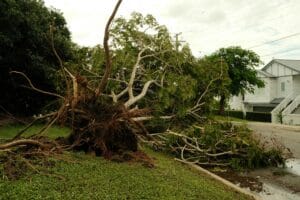
Consider the case of the Williams family in Baltimore. During a massive summer storm, their roof suffered severe damage from falling tree branches, causing water to pour into their attic. They immediately called an emergency home service provider specializing in roof repairs and water extraction. The team arrived within an hour, tarp-covered the roof to prevent further water intrusion, and began drying out the damage before mold could set in. Thanks to their prompt response, the Williams family avoided costly mold remediation and extensive structural repairs, turning what could have been a nightmare into a manageable situation.

Emergency Home Services are not just about fixing what’s broken, they are about safeguarding your home, your belongings, and your family’s peace of mind. In Maryland’s unpredictable climate, having access to fast, professional help for storm, roof, and pipe damage isn’t just important; it’s essential. Understanding this can prepare homeowners to respond quickly and avoid long-term consequences when emergencies strike.
How to Apply Emergency Home Services Step by Step for Storm, Roof, and Pipe Damage in Maryland
When disaster strikes your home in Maryland, whether it’s storm damage, a leaky roof, or a burst pipe, knowing how to navigate emergency home services can save you time, money, and stress. Emergency Home Services are designed to provide rapid, expert assistance precisely when you need it most. To maximize the benefits of these services, here’s a clear, step-by-step guide on how to effectively apply Emergency Home Services to restore your home safely and swiftly.
Step 1: Assess the Damage and Ensure Safety
Before reaching out for help, quickly evaluate the extent of the damage. Safety should be your top priority.
– Storm Damage: Check for downed power lines, flooding, or structural instability such as a collapsed roof or broken windows.
– Roof Damage: Look for missing shingles, leaks, or sagging roof sections.
– Pipe Damage: Identify visible leaks, flooding, or water stains, and listen for unusual water sounds.
Important: If you detect gas leaks, exposed electrical wiring, or dangerous debris, evacuate immediately and call emergency services.
Step 2: Contact Emergency Home Services Immediately
Time is critical in emergencies. The faster you connect with professional Emergency Home Services in Maryland, the better the chances of minimizing damage.
– Look for certified companies specializing in storm damage repair, roofing emergencies, and plumbing crises.
– Prioritize services that offer 24/7 availability and rapid response teams.
– Have your address and a detailed description of the problem ready to help dispatchers prioritize and prepare.
Example: “My home in Bethesda has a leaking roof and water damage after last night’s storm. I need emergency assistance now.”
Step 3: Provide Clear Information to the Service Provider
When you call, clarity and details can get you faster and more precise help. Be prepared to answer:
– What type of emergency are you facing? (storm, roof, pipe)
– The location of the damage on your property.
– Any immediate hazards or safety concerns.
– Whether you have attempted any temporary fixes.
The service team will use this information to mobilize the right specialists, whether roofers, plumbers or general contractors.
Step 4: Prepare Your Home for Emergency Repairs
Once help is on the way, take steps to mitigate further damage, if safe:
– Storm and Roof Damage: Use tarps or plastic sheeting to cover exposed areas and prevent water intrusion.
– Pipe Damage: Turn off the main water supply to stop leaks and reduce flooding.
– Clear any valuable belongings or electronics from affected areas to prevent loss.
Visual Tip: Some homeowners keep an emergency kit with tarps, duct tape, and a wrench near the main water valve for quick access during emergencies.
Step 5: Work With Professionals During the Repair Process
When the Emergency Home Services team arrives, coordinate with them for efficient repairs.
– Allow professionals to perform a thorough inspection to identify hidden damage.
– Ask for an estimate and a clear timeline.
– Inquire about temporary solutions that can protect your home while permanent repairs are pending.
Their expertise can help you prevent future problems by addressing root causes beyond the visible damage.
Step 6: Document the Damage and Repairs for Insurance Claims
After initial emergency repairs, detailed documentation is essential.
– Take photos and videos of all damaged areas before and after repairs.
– Get written estimates and invoices from the service provider.
– Keep records of all communications.
These documents will streamline your insurance claim, helping you recover repair costs quickly.
Example Scenario: Applying Emergency Home Services After a Maryland Storm
Consider Sarah, a Maryland resident who experienced a severe thunderstorm last month. The storm caused extensive roof damage and a burst pipe in her basement. Here’s how she applied Emergency Home Services effectively:
- Sarah assessed the damage, noticed multiple leaks, and turned off her water supply.
- She called a local 24/7 Emergency Home Services company specializing in roof and plumbing repairs.
- She described her situation clearly and scheduled an urgent visit.
- Sarah used plastic sheets to cover the holes in her roof to prevent more water from entering.
- When the technicians arrived, they quickly assessed the damage, stopped further leaks, and started temporary repairs.
- Sarah documented everything, photos, bills, and conversations, preparing for her insurance claim.
Thanks to following these steps, Sarah’s home was restored quickly, and she received proper compensation.
Conclusion: Why Following These Steps Matters
Navigating emergency home repair can be overwhelming, especially after a traumatic event like a storm or a pipe burst. Using these step-by-step instructions to apply Emergency Home Services enables Maryland homeowners to act confidently and efficiently. Remember:
– Prioritize safety first.
– Contact proven emergency services rapidly.
– Communicate clearly and prepare your home.
– Work closely with professional repair teams.
– Document everything thoroughly.
Applying Emergency Home Services correctly reduces damage, accelerates healing, and helps protect your investment in your Maryland home when you need it the most.
Tips for Getting the Best Emergency Home Services in Maryland: Fast Help for Storm, Roof, and Pipe Damage
Act Quickly After Damage: Contact emergency services immediately after a storm or pipe burst to minimize further home damage. The faster you respond, the less costly repairs will be.
Choose Local Experts: Opt for Maryland-based emergency home service providers who understand local weather patterns and building codes for faster, tailored solutions.
Verify Credentials and Insurance: Always check that emergency contractors are licensed and insured to protect yourself from liability and subpar work.
Document the Damage: Take photos or videos of all affected areas before repairs begin. This helps with insurance claims and ensures transparency in service.
Prioritize Roof Repairs to Prevent Water Intrusion: If your roof is damaged by a storm, immediate patching or temporary covering can stop leaks and protect your home’s interior.
Shut Off Water for Pipe Damage: When facing pipe bursts, promptly shut off the main water supply to prevent flooding while waiting for professional repair.
Request 24/7 Availability: Emergencies don’t wait for business hours , choose services that offer round-the-clock assistance to get help exactly when you need it.
Ask for an Estimate and Timeline Upfront: Before work begins, get a clear estimate and realistic timeline so you can plan accordingly and avoid surprises.
Prepare an Emergency Kit and Plan: Ahead of storms, keep essential tools, flashlights, and a contact list of emergency home services handy to respond swiftly.
Regular Home Maintenance is Key: Prevent emergency repairs by inspecting your roof and pipes seasonally, especially after harsh weather in Maryland.
By following these tips for emergency home services, you’ll ensure quick recovery and peace of mind when storms or unexpected pipe damage strike your Maryland home.
Key Concepts
When we speak about Emergency Home Services, particularly in the context of urgent situations such as storm damage, roof destruction, or pipe bursts in Maryland, we dive into a realm that merges rapid response with skilled craftsmanship. Understanding the foundational concepts behind these services gives us a clearer picture of their importance and how they serve as guardians against the chaos wrought by unforeseen home emergencies.
The Essence of Emergency Home Services
At its core, Emergency Home Services function as a lifeline for homeowners suddenly thrust into crisis. Imagine your home as a living organism, storm damage is like a sudden trauma, a ruthless strike that threatens its stability and well-being. These services act as first responders, stabilizing the situation before it worsens. Without this crucial intervention, what might start as a small leak can escalate into flooding, structural compromise, or mold infestation, a domino effect with costly consequences.
Time Sensitivity and Immediate Response
Emergencies, by definition, do not wait. The urgency embedded in emergency home services is akin to medical triage; the faster the problem is assessed and treated, the better the outcomes. For example, picture a burst pipe in winter, an instant after the burst, water begins to seep into floors and walls, a ticking clock for damage expansion. The concept here is that delay doesn’t just worsen damage, it multiplies the complexity of repairs. Hence, the promise of “fast help” isn’t just a marketing tagline but a critical characteristic that defines the entire emergency service industry.
Specialized Skill Set and Multifaceted Expertise
Emergencies in home environments are rarely simple; they frequently span multiple trades and disciplines. A severe storm can damage the roof, cause electrical shorts, and flood basements. Here, Emergency Home Services showcase their strength, combining roofing expertise, plumbing insight, and structural know-how under one umbrella. Think of them as a multidisciplinary rescue team, each member bringing a specific skill to patch holes, stop leaks, and reinforce damaged structures. This convergence of expertise ensures comprehensive care, rather than fragmented attempts that leave vulnerabilities open.
The Concept of Temporary vs. Permanent Solutions
A fascinating aspect that emergency services wrestle with is balancing temporary fixes with long-term repairs. When a roof is torn by a fierce Maryland storm, the immediate goal is to secure the home from further rain intrusion, a temporary “bandage” on the wound. This quick patch prevents worsening internal damage but isn’t the final answer; it’s more of a bridge toward permanent restoration. This duality is essential to grasp because emergency services don’t replace standard contracting, they complement it by handling crises in ways that buying time and damage control become possible.
The Role of Insurance and Documentation
Behind the scenes of every emergency home service call lies the complex dance with insurance processes. Documenting damage accurately and quickly during these emergency interventions is a key concept. It’s not simply about stopping a leak or fixing a hole; it’s also about capturing evidence that validates claims and supports recovery costs. This integration of technical repair with thorough documentation illustrates a more holistic approach, one where service providers act as advocates for homeowners navigating both physical repairs and financial recovery.
Geographic and Climatic Specificity
Maryland’s unique weather patterns shape the nature of emergency home services there. Coastal storms, intense winter freezes, and sudden summer thunderstorms are part of a collective narrative that determines common damage types. Understanding this context explains why emergency providers in Maryland must be adaptable and prepared for a diverse array of damage scenarios, from wind-ripped roofs to frozen, burst pipelines. This climatic specificity highlights a tailored approach rather than a generic repair mindset, emphasizing how local expertise forms the backbone of effective emergency home services.
Emotional Relief as an Invisible Service
While emergency services undeniably focus on physical repairs, an often overlooked concept is the emotional solace they provide. Imagine the turmoil of waking to a flooded basement or a hole in the roof after a violent storm, amid this chaos, the arrival of a professional team can bring a restoring sense of order and hope. This psychological dimension, though intangible, is a cornerstone of emergency services. It’s the difference between feeling helpless and knowing help is on its way; between chaos and calm, disruption and repair.
Technology and Rapid Communication
Modern emergency home services increasingly rely on technology, from instant online bookings to real-time updates on work progress. This advancement isn’t mere convenience; it transforms the very meaning of “fast help.” Digital communication tools serve as a bridge between panic and peace of mind, enabling homeowners to connect swiftly with the right experts. Moreover, advanced diagnostic equipment, like moisture sensors or drone roof inspections, empowers responders with precise information, enhancing effectiveness and reducing guesswork.
—
Grasping these concepts illuminates why Emergency Home Services in Maryland transcend mere repairs. They form a dynamic, responsive system woven into the fabric of homeowner resilience, combating nature’s unpredictability with speed, skill, and empathy. In this way, emergency services aren’t just about fixing broken roofs or leaking pipes, they are about safeguarding the sanctuary that every home represents.
Frequently Asked Questions about Emergency Home Services in Maryland
❓ What types of emergencies do Emergency Home Services in Maryland cover?
Emergency Home Services in Maryland provide fast help with urgent issues such as storm damage, roof leaks, burst pipes, flooding, and other immediate threats to your home’s safety and integrity.
❓ How quickly can Emergency Home Services respond to storm or pipe damage?
Most emergency service providers in Maryland aim to respond within a few hours or faster, especially during severe weather events, to minimize damage and start repairs promptly.
❓ Are Emergency Home Services available 24/7 in Maryland?
Yes, many companies specializing in Emergency Home Services offer 24/7 availability to assist homeowners whenever a sudden crisis occurs, day or night.
❓ Do I need to contact my insurance company before calling Emergency Home Services?
It’s recommended to notify your insurance provider as soon as possible, but you should also call Emergency Home Services immediately to prevent further damage. Many emergency services can assist with documenting damage for insurance claims.
❓ How can I prepare for an emergency service visit after storm or pipe damage?
Before the professionals arrive, try to ensure safety by turning off water or electricity if safe, clear the affected area for easy access, and gather any documentation or photos of the damage for your insurance and repair records.
Fast and informed action is essential to protect your home and minimize repair costs.