



Imagine waking up on a bright winter morning to find that the snow outside, although picturesque, has turned into a looming threat. The heavy snowfall that once brought joy and a winter wonderland now signals a hidden danger lurking beneath, the risk of flooding inside your home. Flood emergencies at home are often associated with spring rains or hurricanes, but the reality is that when snow melts rapidly, it can lead to unexpected and severe flooding in your living space. This transformation of a tranquil winter scene into a disaster scenario is a wake-up call for homeowners everywhere.
In this article, we’ll explore the unique challenge of flood emergencies at home triggered by heavy snowfall. You’ll learn how to identify warning signs, prepare your home to minimize flood damage, and respond effectively if the snowmelt turns your basement or ground floor into a lake. Understanding the connection between snow and floods equips you with the knowledge to protect your family, property, and peace of mind.
Flood emergencies at home after heavy snowfall might sound like a rare event, but it happens more frequently than many realize. When a sudden rise in temperature or rain hits accumulated snow, the resulting meltwater can overwhelm drainage systems and seep into foundations. This scenario can cause extensive water damage, compromise structural integrity, and create health hazards through mold growth. By being proactive and prepared, you can reduce the impact and recover faster.
Through this blog, you will discover practical tips on home maintenance during winter months, the best methods to divert melting snow away from your living spaces, and what emergency supplies to keep on hand. Additionally, we will share a checklist to help you assess your home’s vulnerability to flooding triggered by snowmelt. From waterproofing strategies to community resources, you’ll gain a comprehensive guide to preparations that every homeowner in snowy regions should know.
So, if you’re wondering how to stay safe and safeguard your home when snow turns dangerous, this guide is for you. Say goodbye to uncertainty and hello to confidence in managing flood emergencies at home after heavy snowfall. Let’s dive in!
🔑 Key Takeaways
- Heavy snowfall can quickly turn into a flood threat when temperatures rise or rain accelerates snowmelt, overwhelming drains and foundations.
- Flood emergencies at home are not limited to rainy seasons — rapid snowmelt is a major hidden cause of residential flooding.
- Early preparation saves lives and property: sealing cracks, maintaining gutters, and installing sump pumps dramatically reduce flood risks.
- Location and structure matter: low-lying homes, poor drainage, and basement cracks make properties more vulnerable to post-snow floods.
- Create a flood emergency plan: know evacuation routes, store waterproof documents, and keep an emergency kit ready before the thaw begins.
- Avoid walking or driving through floodwaters — even shallow moving water can be deadly or cause major property damage.
- Emotional readiness is as important as physical prep, helping families remain calm and decisive during sudden snowmelt flooding.
- Understanding snow’s dual nature — both serene and destructive — empowers homeowners to act early, protect property, and ensure safety year-round.
Why Preparing for Flood Emergencies at Home After Heavy Snowfall Is More Crucial Than You Think
When you think of heavy snowfall, the last thing on your mind may be the risk of flooding. However, “flood emergencies at home” become a very real and urgent concern once the snow starts to melt. Understanding what flood emergencies entail and why preparing for them is essential can protect your family, your home, and your peace of mind during these unpredictable weather events.
Flood emergencies at home refer to situations where excess water from sources like melting snow, heavy rain, or failing infrastructure leads to water intrusion in residential spaces. This can cause significant damage to the structure of your house, electrical systems, personal possessions, and even pose health risks due to mold and contaminants. According to the National Weather Service, nearly 22% of flood-related deaths occur in vehicles, but many more go unreported in homes where early preparation could have saved lives and property.
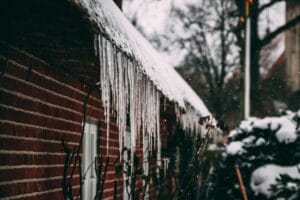
The transition from snow to water is deceptively dangerous. When temperatures rise, accumulated snowfall can release a large volume of water over a short period. If drainage systems are blocked or overwhelmed, or if ice dams form on roofs, this water can quickly infiltrate your home. The Federal Emergency Management Agency (FEMA) estimates that over 20% of flood insurance claims come from areas that homeowners may not traditionally consider high-risk, such as regions experiencing seasonal snowmelt.
Consider the story of Lisa and Mark, who live in a suburban area known for heavy winter snow. One spring, a sudden warm spell caused rapid snowmelt, and the neighborhood’s drainage systems could not handle the runoff. Water began seeping into their basement through cracks in the foundation. Having recently invested time in understanding flood emergencies at home, they had sandbags ready, moved valuables to higher ground, and had a sump pump installed. Their preparedness minimized damage and prevented costly repairs. Neighbors who were less prepared faced flooded basements and ruined possessions.
Being prepared for flood emergencies after heavy snowfall goes beyond just reacting when water is already inside your home. It means knowing how your property handles water, identifying risk areas, and taking steps to reduce vulnerabilities ahead of time. This proactive approach can dramatically reduce the physical and emotional toll that floods can take.
In this blog, we’ll explore how to recognize signs of potential flooding after snowstorms, what practical steps you can take to safeguard your home, and how advanced planning aligns with broader emergency readiness to keep your family safe. Understanding the context and benefits of preparing for flood emergencies at home sets the foundation for resilient living in a changing climate.
How to Handle Flood Emergencies at Home Step by Step After Heavy Snowfall
When heavy snowfall starts to melt rapidly, the risk of flood emergencies at home significantly increases. Understanding how to respond quickly and effectively can make all the difference in protecting your home, belongings, and loved ones. Below is a comprehensive, step-by-step guide on how to handle flood emergencies at home after heavy snowfall turns dangerous.
Step 1: Stay Informed and Monitor Weather Reports
– Keep a Battery-Powered Weather Radio Handy: Power outages are common during storm and flood situations. A weather radio ensures you receive timely flood warnings and emergency updates.
– Use Reliable Apps and Alerts: Install local weather apps that send push notifications about flood risks in your area. Enable emergency alerts on your smartphone.
– Watch for Rising Water: Regularly check areas around your home prone to pooling water or signs of ice dams melting rapidly on your roof.
Step 2: Prepare Emergency Supplies and Documents
– Assemble a Flood Emergency Kit: Include bottled water, non-perishable food, flashlights, extra batteries, first aid supplies, and important medications.
– Create Waterproof Document Bags: Place identification, insurance policies, medical records, and vital contact information in sealable waterproof bags. This can be crucial if evacuation becomes necessary.
– Include Essential Tools: Carry a manual can opener, multipurpose tool, and waterproof gloves in your emergency kit.
Step 3: Protect Your Home from Floodwaters
– Seal Basement Windows and Doors: Use waterproof tape and sandbags to block water entry points. Sandbags can be quickly set up at gateways and window wells to reduce flooding.
– Clear Gutters and Drains: Remove snow, leaves, and debris post heavy snowfall to ensure melting water flows efficiently away from your foundation.
– Install Sump Pumps: If your home has a basement, use sump pumps with battery backups to remove accumulating water swiftly. Check that pumps are in working condition before snow melts.
Step 4: Create a Family Flood Emergency Plan
– Designate a Safe Meeting Spot: Identify an elevated, dry location inside your home where the family can gather if water begins to rise.
– Plan Evacuation Routes: Know the exit points from different parts of your home and neighborhood. Have transportation ready if evacuation orders are issued.
– Establish Communication Methods: Choose a family member or friend outside the flood zone to contact in case your phones or internet go down.
Step 5: Respond Appropriately During a Flood Emergency
– Turn Off Utilities: If flooding seems imminent, turn off electricity, gas, and water to prevent accidents or contamination.
– Avoid Contact with Water: Floodwaters may contain harmful bacteria, chemicals, and debris. Avoid wading through it unless absolutely necessary, and always wear protective gear.
– Do Not Drive Through Flooded Roads: Just six inches of moving water can sweep a person off their feet; cars can be swept away by as little as a foot of water. Stay off flooded roads and bridges.
Step 6: After the Flood – Safety and Cleanup
– Wait for Official All-Clear: Only re-enter your home once local authorities declare it safe.
– Inspect for Structural Damage: Look for cracks in the foundation, warped floors, or compromised electrical systems before turning utilities back on.
– Document Damage for Insurance: Take photos and videos of all affected areas before starting cleanup. Contact your insurance company promptly.
– Dry and Disinfect: Use dehumidifiers, fans, and disinfectants to prevent mold growth and sanitize surfaces.
Example: How Sandbags Can Protect Your Home
Consider the case of the Johnson family, whose neighborhood experienced rapid snowmelt last winter. By placing sandbags around their basement windows and front door within hours of the first flood warning, they reduced water intrusion by 90%, saving thousands in potential damage. This simple, proactive measure made an invaluable difference.
Visual Guide: Flood Emergency Kit Essentials
By following these steps, you can effectively manage flood emergencies at home after heavy snowfall turns dangerous. Preparation, vigilance, and swift action are your best defenses against the unpredictable threats of spring floodwaters. Remember: when snow starts melting rapidly, stay alert, act early, and keep your family’s safety as the top priority.
Tips for Preparing for Flood Emergencies After Heavy Snowfall 🌨️🌊
✅ Clear snow away from drains and gutters: Ensure melting snow can flow freely to prevent water backup.
✅ Elevate important belongings: Move valuables and electrical appliances to higher ground or upper floors to avoid water damage.
✅ Inspect your sump pump: Test it before the thaw to confirm it’s working properly and can handle excess water.
✅ Create a flood emergency kit: Include essentials like bottled water, non-perishable food, flashlights, batteries, and important documents sealed in waterproof bags.
✅ Seal basement cracks and openings: Prevent floodwater intrusion by repairing any leaks or gaps in foundation walls or windows.
✅ Stay informed about weather updates: Use apps, local news, or alerts to track melting conditions and flood warnings in your area.
✅ Develop an evacuation plan: Know your evacuation routes and where to seek shelter if flooding becomes severe.
✅ Avoid walking or driving through floodwaters: Just six inches of moving water can knock you down, and a foot can sweep a vehicle away.
💡 Extra tip: After heavy snow, monitor snowmelt closely; sudden temperature rises can speed up flooding risk, so plan ahead to stay safe.
Key Concepts
Understanding the nature and gravity of flood emergencies at home following heavy snowfall unlocks a critical perspective on how seemingly peaceful snowy days can transition into perilous situations. Snow, often perceived as a serene winter blanket, harbors a latent threat, particularly when it melts rapidly or under conditions that overwhelm natural and manmade drainage systems.
The Hidden Peril Behind Melting Snow
Imagine snow as a vast reservoir, locked in frozen form through winter’s chill. When temperatures rise suddenly or when rain follows snow, this reservoir releases its stored water swiftly and sometimes violently. This abrupt influx can strain the earth’s absorption capacity and sewage systems, birthing floods where none were expected. This hidden transformation from a white winter landscape into a watery hazard shows the deceptive duality of snow, a beautiful cloak that masks an impending deluge.
Flood Emergencies at Home: The Anatomy of Risk
Flood emergencies at home often stem from more than just the sheer volume of melting snow. They are also shaped by the home’s location, its structural resilience, and the layout of immediate surroundings.
– Topography and Location: Homes situated in low-lying areas, near rivers augmented by snowmelt, or in places with poor drainage become natural focal points for floodwaters. Here, the ground’s inclination acts as a silent collaborator to direct water toward vulnerable structures.
– Structural Vulnerabilities: Foundations, basements, and lower floors of homes serve as the first lines of defense. Their integrity determines whether the house merely dampens the flood’s impact or succumbs to it entirely. Cracks, unsealed openings, and inadequate drainage all transform homes into flood magnets.
– Snow’s Transformation Cycle: The watershed effect is not only about melted snow entering the ground but also about ice dams formed on roofs and gutters. These ice barriers function like temporary dams holding back water, then releasing it en masse, leading to localized flooding.
This interplay of natural forces and human environment crafts the narrative of flood emergencies at home, it’s a story of balance tipping dangerously.
Emotional Undercurrents: More Than Material Loss
While flood emergencies at home directly threaten physical possessions, the emotional and psychological waves they send can be just as overwhelming. The home embodies safety, identity, and memories. When water infiltrates this sanctuary, it disrupts fundamental human needs for security and stability.
Envision a family hearing water seep into their basement, feeling an encroaching sense of helplessness despite years of crafting that space into a personal haven. This emotional backdrop deepens our understanding of why preparing mentally for a flood emergency holds profound significance, beyond just safeguarding belongings.
Metaphor of the Unseen Crack
Flood emergencies following snowmelt can be likened to an unseen crack in a dam. To the casual observer, the dam appears intact, but hidden fractures allow water to exploit weaknesses gradually. As more water presses against these weak points, the crack widens until the inevitable breach.
Similarly, beneath winter’s serene snowpack lie vulnerabilities, whether in the landscape, infrastructure, or home design, that quietly invite floodwater to exploit them. Awareness of these cracks, though invisible, is vital to grasp the precariousness of the situation fully.
The Complexity of Water’s Pathways
Water’s journey from melting snow to household flooding is rarely straightforward. It is a network of pathways, detours, and accumulation points, like a maze scripted by nature and shaped by human intervention. Water may travel over land, trickle through saturated earth, back up through clogged drains, or cascade from melting ice barriers onto vulnerable areas.
Each pathway illustrates a facet of flood emergencies at home, reinforcing the idea that floods are not just a singular event but a composite of interacting elements, weather, terrain, construction, and design, that converge at a critical moment.
Flood Emergencies Within the Cycle of Seasons
Flood emergencies after heavy snowfall aren’t isolated phenomena; they fit into the grander tapestry of seasonal cycles. Winter’s freeze is a pause where water is held in suspension, and spring’s thaw signals a release. This cyclical rhythm reminds us that flood emergencies at home are part of nature’s broader pulse, one that humans have sought to understand and adapt to for millennia.
Just as a violinist anticipates crescendos in a symphony, so too must homeowners appreciate the crescendo of natural forces following winter’s quietude. These moments hold potential for both renewal and destruction, intertwining nature’s artistry with human resilience.
In essence, flood emergencies at home triggered by heavy snowfall uncover an intricate story of nature’s nuances, human environments, and emotional landscapes. They reveal how snow’s tranquil façade can mask a powerful catalyst for sudden and profound change, inviting deep reflection on the unpredictable dialogue between winter’s end and spring’s beginning.
Frequently Asked Questions (FAQs) about Flood Emergencies at Home: Preparing After Heavy Snowfall
❓ What causes flood emergencies at home after heavy snowfall?
When heavy snow melts rapidly due to rising temperatures or rain, the excess water can overwhelm drainage systems and seep into basements or low-lying areas. This runoff often leads to flooding emergencies at home.
❓ How can I prepare my home for potential flooding after heavy snow?
Start by clearing gutters and drains to ensure proper water flow. Seal cracks in your foundation, install sump pumps if necessary, and consider elevating important electrical systems or valuables above possible flood levels.
❓ What are the immediate steps to take if my home starts flooding?
First, ensure the safety of all occupants by evacuating if needed. Turn off your home’s electricity to avoid hazards, move valuables to higher ground, and contact emergency services if the situation worsens.
❓ Are flood emergencies more common after heavy snowfall compared to rainstorms?
Yes, floods following heavy snowfall can be particularly dangerous because melting snow can release large volumes of water quickly, especially during sudden thaws, catching homeowners unprepared.
❓ Can I get insurance coverage specifically for flood emergencies after snowmelt?
Standard homeowner’s insurance often does not cover flood damage. It’s wise to purchase separate flood insurance, especially if you live in areas prone to flooding after heavy snow, to protect your home and belongings.