

A violent storm strikes in the middle of the night, bringing pounding rain, strong winds, and freezing temperatures. By morning, shingles are scattered across the yard and water begins leaking through the ceiling. Situations like this are every homeowner’s fear, yet many can be prevented with the right roofing knowledge and professional solutions.
Homes in this region face constant weather challenges throughout the year. Heavy rain tests roof integrity, strong storms loosen materials, and harsh winters with snow and ice place additional stress on structures. Because of these conditions, roofing systems must be built and maintained specifically to handle extreme weather.
Understanding expert roofing solutions is essential to protecting your home and avoiding costly damage. The right materials, regular inspections, and timely repairs all play a crucial role in extending a roof’s lifespan. Modern technologies and durable products are designed to improve resistance against wind, moisture, and freezing conditions.
Working with experienced local professionals also makes a significant difference. Contractors who understand regional weather patterns can recommend tailored solutions that strengthen your roof against future storms. With proper preparation and expert support, what seems like a disaster can become a manageable challenge, ensuring long-term protection and peace of mind for your family.
Key Takeaways
Storms, heavy rain, and harsh Winters place constant stress on roofing systems.
Proactive inspections and timely repairs prevent costly structural damage.
Durable, weather-resistant materials improve wind, moisture, and snow resistance.
Proper insulation and ventilation reduce ice dams during freezing Winters.
Working with experienced professionals ensures long-term roof resilience.
Strategic roofing investments protect home value and family safety year-round.
Why Expert Roofing Solutions in Maryland Are More Important Than You Think
How to Apply Roofing Solutions Step by Step for Storm Damage, Heavy Rain, and Harsh Winters in Maryland
When it comes to protecting your home in Maryland from the harsh elements, storm damage, heavy rain, and brutal winters, applying expert roofing solutions is essential. Understanding the step-by-step process of implementing the right roofing measures can save you significant time, money, and stress down the line. Below, we’ll walk you through how to apply roofing solutions effectively, ensuring your roof stands strong no matter what nature throws at it.
Step 1: Conduct a Comprehensive Roof Assessment
Before diving into repairs or replacements, it’s critical to gauge the full extent of any damage and understand your roof’s current condition. Maryland’s unpredictable weather can cause subtle damage that worsens over time, such as:
– Missing or cracked shingles from storm impact
– Water stains or leaks from prolonged heavy rain
– Ice dams and freeze-thaw damage from harsh winters
How to perform an assessment:
– Inspect your roof visually from the ground with binoculars.
– Check the attic for signs of leaks, moisture, or insulation damage.
– Look for debris or buildup in gutters, which can indicate poor drainage.
– Consider hiring a certified roofing contractor for a professional evaluation, especially after severe weather.
Step 2: Choose the Right Roofing Materials for Maryland’s Climate
Not all roofing materials are equally equipped to handle Maryland’s mix of storms, rain, and snow. Selecting the right materials is key to long-term durability and minimizing maintenance.
Recommended roofing materials:
– Architectural asphalt shingles: These provide sturdy protection and resist wind damage better than standard shingles.
– Metal roofing: Highly durable against heavy rain and snow, metal roofs are energy-efficient and long-lasting.
– Slate or synthetic slate tiles: Extremely resilient to extreme weather and provide excellent insulation.
– Rubber roofing (for flat roofs): Offers waterproof sealing perfect for heavy rain conditions.
Step 3: Implement Proper Roof Installation or Repair Techniques
Correct installation is just as important as material selection. Improperly installed roofs can lead to leaks, premature aging, and vulnerability to storm damage.
Key installation tips:
– Ensure a high-quality underlayment to create a moisture barrier.
– Install flashing correctly around chimneys, vents, and valleys to prevent water infiltration.
– Use corrosion-resistant nails and fasteners to withstand harsh conditions.
– Create adequate roof ventilation to prevent ice dams and moisture buildup.
Step 4: Reinforce Your Roof to Resist Severe Weather
Maryland homeowners can take extra measures to harden their roofs against storm damage and heavy precipitation.
Reinforcement strategies:
– Add hurricane straps or clips to secure the roof deck during high winds.
– Seal potential leak points with waterproof membranes.
– Install impact-resistant shingles rated for hail and storm exposure.
– Increase attic insulation and ventilation to mitigate winter ice damming.
Step 5: Schedule Regular Maintenance and Inspections
A proactive approach will allow you to catch minor issues before they escalate into costly repairs.
Maintenance checklist:
– Clean gutters and downspouts regularly to prevent water backup.
– Remove debris such as leaves and branches from the roof surface.
– Inspect for loose or damaged shingles after major storms.
– Check attic spaces seasonally for moisture or pest infestations.
– Hire professional inspections every 1-2 years.

Example: Applying Roofing Solutions After a Maryland Storm
Imagine a mid-March thunderstorm followed by freezing night temperatures in Maryland. A homeowner notices a few shingles missing and small leaks forming. Applying expert roofing solutions would involve:
- Assessment: Contact a roofing professional to inspect the damage.
- Material selection: Opt for architectural asphalt shingles with high wind ratings.
- Repair: Replace missing shingles using corrosion-resistant fasteners and sealants.
- Reinforcement: Add hurricane clips to secure the roof deck.
- Maintenance: Schedule gutter cleanings and winter-proof attic ventilation.
Applying roofing solutions tailored to Maryland’s unique weather challenges is your best defense against storm damage, heavy rain, and harsh winters. By following these practical, step-by-step guidelines, you can ensure your roof not only withstands the elements but also protects your home and family for years to come.
Tips for Expert Roofing Solutions in Maryland for Storm Damage, Heavy Rain, and Harsh Winters:
Schedule Regular Roof Inspections: Frequent checks help identify damage from storms or water leaks early, preventing costly repairs.
Choose Durable Materials: Opt for roofing materials like metal or impact-resistant shingles designed to withstand heavy rain and snow load.
Invest in Proper Roof Ventilation: Good ventilation prevents moisture buildup that can lead to mold and ice dams during Maryland’s harsh winters.
Clear Gutters and Downspouts Regularly: Keeping drainage systems clean ensures water flows away from the roof, reducing the risk of leaks and structural damage.
Seal Roof Flashings and Joints Properly: Prevent water intrusion around chimneys, vents, and skylights where storms can cause the most damage.
Trim Overhanging Branches: Avoid roof damage caused by falling limbs during storms or heavy snow by keeping nearby trees well-maintained.
Insulate Your Attic Effectively: Proper insulation helps maintain temperature balance, reducing ice dam formation and protecting your roof integrity.
Hire Local Experts with Storm Experience: Maryland roofing specialists understand regional weather patterns and provide tailored solutions for storm resilience.
Act Quickly After Damage: Promptly repairing storm or rain damage prevents small issues from becoming major roofing failures.
Document and Photograph Damage for Insurance: Accurate records help streamline claims for repairs after severe weather hits your property.
Key Concepts
In the realm of roofing solutions, particularly when addressing the unique challenges posed by Maryland’s climate, marked by severe storms, heavy rainfall, and harsh winters, several core concepts come into play. Understanding these principles is akin to grasping the hidden architecture that supports a home’s integrity against nature’s relentless forces.
The Dynamic Relationship Between Roof and Weather
A roof acts like a fortress guardian, constantly defending a home against Maryland’s unpredictable climate. Storms bring strong winds and heavy downpours that test a roof’s durability, requiring materials and designs that resist impact and prevent leaks. Heavy rain demands efficient drainage systems, proper slopes, and protective barriers to channel water safely away from the home. Winter introduces snow loads and ice dams, which can strain structures and cause water backup if insulation and ventilation are inadequate. Effective roofing solutions focus on resilience, combining strong materials, smart water management, and thermal balance to protect homes year-round.
Material Science and Innovation in Roofing
The Structural Symphony: Integration and Design
A roof is more than just a cover; it is an integrated system where every component must harmonize. The conceptual framework behind superior roofing solutions encompasses not just materials but also design, framing, insulation, ventilation, and waterproofing.
Envision the roof as a symphony orchestra, each element playing its part in concert. The framing is the rhythm section, providing foundational support and stability. Insulation and ventilation act as the woodwinds and brass, regulating temperature and maintaining airflow to prevent moisture buildup. Waterproof barriers and membranes are the strings, continuously guarding against external harm.
Disruptions in any part of this symphony can lead to cascading failures, warping, leaks, mold, and energy inefficiency. Expert roofing solutions recognize the roof’s holistic nature, ensuring that every layer, from the underlayment to the shingles, works synergistically.
Longevity versus Immediate Repair: A Philosophical Perspective
Delving deeper, one encounters the philosophical tension between quick fixes and long-term solutions in roofing. Storm damage and weather wear often demand immediate repairs, much like treating wounds after a sudden injury. However, expert roofing solutions advocate for foresight, building roofs that minimize future vulnerabilities, akin to strengthening the immune system rather than simply curing symptoms.
This approach appreciates roofing not just as a product but as a living asset, evolving with time and environmental changes. The investment in durability, quality materials, and expert craftsmanship pays dividends in resilience and homeowner peace of mind, especially through Maryland’s unpredictable and sometimes punishing weather cycles.
Environmental and Economic Implications
Finally, the conceptual framework includes a broader awareness of roofing solutions’ environmental and economic dimensions. Energy-efficient roofing reduces heating costs during Maryland’s cold winters, paralleling a well-insulated blanket preserving warmth. Sustainable materials and practices diminish the ecological footprint, echoing a commitment to stewardship of natural resources.
From an economic perspective, a roof is a significant financial stake, both upfront and over time. The decision influences home value, insurance premiums, and maintenance costs. Expert roofing solutions integrate this understanding, balancing immediate expenditure with future savings and environmental responsibility.
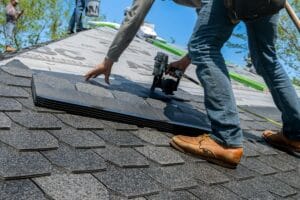
In conclusion, expert roofing solutions in Maryland represent a sophisticated interplay of environmental adaptation, material science, structural integration, and strategic foresight. Through this multifaceted lens, roofs transcend their role as mere protective layers, becoming dynamic systems engineered to withstand storm damage, heavy rain, and harsh winters with resilience and grace. This conceptual depth forms the foundation for understanding why tailored, expertly implemented roofing solutions are indispensable in Maryland’s uniquely challenging climate.
Frequently Asked Questions about Roofing Solutions in Maryland
❓ What types of roofing solutions are best for Maryland’s storm damage?
Expert roofing solutions in Maryland for storm damage typically include impact-resistant shingles, reinforced underlayment, and proper flashing. These materials help withstand hail, strong winds, and debris, ensuring your roof remains intact after severe weather.
❓ How can roofing solutions help protect my home during heavy rain?
Effective roofing solutions incorporate waterproof membranes, quality gutters, and efficient drainage systems. These elements prevent water infiltration and promote quick runoff, reducing the risk of leaks and water damage during Maryland’s heavy rain seasons.
❓ Are roofing materials in Maryland designed to endure harsh winters?
Yes, expert roofing solutions in Maryland emphasize materials that resist freezing and thawing cycles, such as asphalt shingles with good thermal stability and ice and water barriers. These features prevent ice dams and improve roof longevity through cold winters.
❓ How soon should I seek roofing repairs after a storm?
It’s advisable to have a professional inspection within a few days after a storm. Prompt expert roofing solutions can identify and address hidden damages from storm, rain, or winter weather, preventing further deterioration and costly repairs later.
❓ Can I get a roofing solution tailored specifically for Maryland’s climate?
Absolutely. Expert roofing companies in Maryland design solutions based on local climate challenges like storm damage, heavy rain, and harsh winters. Customized roofing ensures optimal protection and enhances your home’s durability throughout the year.